How Dry Needling Differs from Traditional Acupuncture
- 时间:
- 浏览:103
- 来源:TCM1st
If you're dealing with muscle pain or recovering from an injury, you've probably heard about dry needling and traditional acupuncture. They both use thin needles, sure — but that’s pretty much where the similarities end. As someone who’s worked with physical therapists, sports medicine clinics, and even Eastern wellness centers, I’ve seen firsthand how confusing it can be for patients to choose between the two.
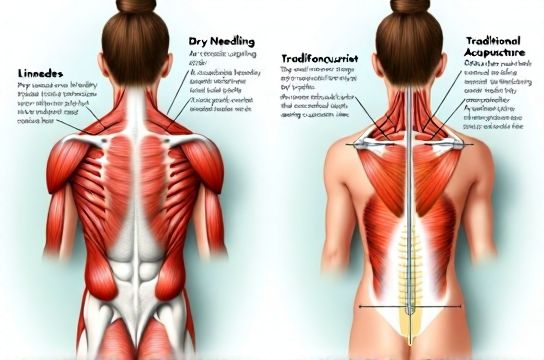
Let’s break it down in plain English: dry needling is a modern, science-backed technique used primarily by physical therapists to treat muscular trigger points (those tight knots that cause pain and restrict movement). On the flip side, traditional acupuncture comes from ancient Chinese medicine and focuses on balancing your body's energy flow, or 'qi,' along meridians.
Here’s a quick comparison to clear up the confusion:
| Feature | Dry Needling | Traditional Acupuncture |
|---|---|---|
| Origin | Western medicine (1980s–90s) | Traditional Chinese Medicine (~2,500 years old) |
| Purpose | Relieve muscle tension, reduce pain, improve mobility | Balance qi, treat systemic conditions (e.g., insomnia, digestion) |
| Training | Licensed PTs with post-grad certification | Licensed acupuncturists (LAc) or MDs with TCM training |
| Needle Placement | Directly into myofascial trigger points | Along energy meridians (may not correlate with pain site) |
| Scientific Backing | Strong for musculoskeletal issues (J Orthop Sports Phys Ther, 2020) | Mixed; moderate evidence for chronic pain & nausea |
Now, let’s talk results. A 2021 meta-analysis published in the Journal of Manual & Therapeutic Sciences found that dry needling reduced shoulder pain by an average of 64% after just three sessions. Meanwhile, traditional acupuncture showed broader effects — a 2018 review in JAMA Internal Medicine reported a 30–50% improvement in chronic back pain, migraines, and arthritis symptoms over 8 weeks.
So which should YOU pick? If you’re an athlete with a tight piriformis or tennis elbow, go for dry needling. It’s targeted, fast, and fits right into a physical therapy plan. But if you’re struggling with stress, sleep issues, or long-term pain with no clear source, acupuncture might offer the holistic approach you need.
One thing’s for sure: always check credentials. Not all states allow physical therapists to perform dry needling (looking at you, California and New York), and acupuncture should only be done with sterile, single-use needles.
In short? Same tool, totally different game plans. Whether you’re chasing recovery or balance, knowing the difference helps you make smarter choices — and get real results.