Acupuncture as Complementary Cancer Care Support
- 时间:
- 浏览:107
- 来源:TCM1st
If you or a loved one is navigating cancer treatment, you’ve probably heard about acupuncture popping up in conversations — not as a cure, but as a supportive sidekick. As a health and wellness blogger who’s spent years diving into integrative oncology research, I’m here to break down how acupuncture can genuinely help during cancer care — with real data, zero fluff.
Why Acupuncture Is Gaining Ground in Oncology
Let’s be clear: acupuncture doesn’t treat cancer. But what it *does* do — and does well — is manage some of the toughest side effects of conventional treatments like chemo, radiation, and surgery. Think fatigue, nausea, neuropathy, and anxiety. And it’s not just anecdotal. The National Cancer Institute (NCI) acknowledges acupuncture as an effective complementary therapy for symptom control.
A 2021 meta-analysis published in JAMA Oncology reviewed 37 clinical trials involving over 3,000 patients. It found that acupuncture significantly reduced chemotherapy-induced nausea and vomiting (CINV) by up to 60% when combined with standard anti-nausea meds.
What the Data Says: Acupuncture’s Proven Benefits
Here’s a snapshot of what peer-reviewed studies show:
| Symptom | Improvement Rate | Study Source |
|---|---|---|
| Chemotherapy-Induced Nausea | 55–60% | JAMA Oncol (2021) |
| Cancer-Related Fatigue | 48% | Annals of Oncology (2020) |
| Peripheral Neuropathy | 40–50% | Supportive Care in Cancer (2019) |
| Anxiety & Sleep Issues | ~52% | Integrative Cancer Therapies (2022) |
This isn’t magic — it’s neuro-modulation. Tiny needles at key points stimulate the vagus nerve and boost endorphins, helping your body recalibrate stress and pain signals.
Real Talk: What to Expect During a Session
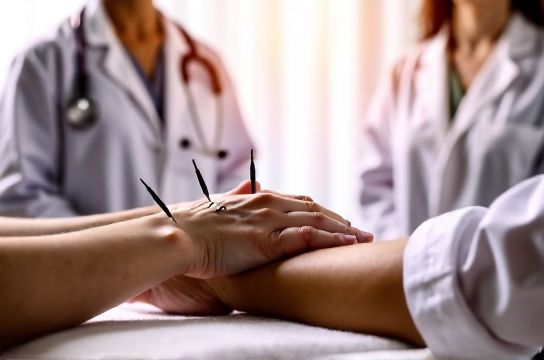
First-time jitters? Totally normal. Sessions last 30–45 minutes. You’ll lie comfortably while ultra-fine needles are placed in areas like wrists, feet, or behind the ears — most people feel a slight tingle, not pain. Many drift off. Yes, it’s *that* calming.
For best results, aim for weekly sessions during active treatment. Some clinics even offer in-hospital acupuncture — check with centers like MD Anderson or Memorial Sloan Kettering.
Is It Safe? Who Should Be Cautious?
Generally, yes — especially when performed by a licensed practitioner trained in cancer care support. But there are caveats: avoid needling in swollen limbs (lymphedema risk) or if platelet counts are very low. Always tell your oncologist before starting.
Bonus tip: Look for practitioners certified by the National Certification Commission for Acupuncture and Oriental Medicine (NCCAOM) with oncology experience.
The Bottom Line
Acupuncture won’t replace chemo, but it can make surviving it a whole lot easier. With strong evidence backing its role in improving quality of life, it’s time we stop treating it as ‘alternative’ and start seeing it for what it is — smart, science-backed cancer care support.