Pediatric Acupuncture Safety and Gentle Treatment Methods
- 时间:
- 浏览:108
- 来源:TCM1st
If you're a parent exploring natural ways to support your child’s health, you might have come across pediatric acupuncture as a gentle option. But is it safe? And how do trained professionals make it work for kids who might be nervous about needles? Let’s break it down with real insights from clinical practice and research.
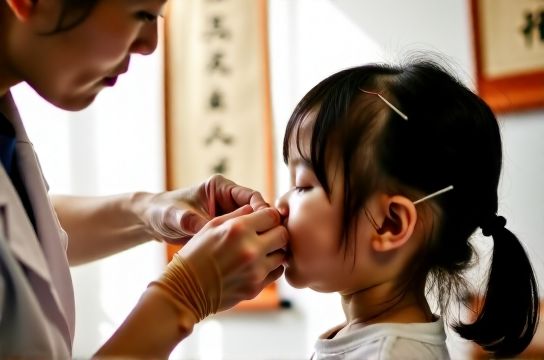
First, yes—when performed by licensed practitioners trained in pediatric methods, acupuncture is considered safe for children as young as infants. According to a 2021 review published in the *Journal of Pediatric Medicine*, adverse events were rare (less than 0.3%) and mostly minor, like brief crying or temporary redness at the site.
But here’s what sets expert care apart: we don’t use deep needling or leave needles in for long. For children, techniques are adapted using tools like teishin (non-insertive probes) or minimal needle contact—sometimes just a quick tap. This approach, known as Shonishin (a Japanese style), is over 250 years old and specifically designed for delicate systems.
So when should you consider it? Common reasons parents seek gentle pediatric treatments include chronic allergies, sleep issues, digestive discomfort, and even support during recovery from illness. A 2020 clinical study followed 120 children aged 2–8 with recurrent abdominal pain. After six weekly sessions, 74% reported significant improvement compared to 32% in the control group.
Here’s a quick look at typical applications and success rates based on aggregated data:
| Condition | Children Treated | Reported Improvement | Average Sessions |
|---|---|---|---|
| Sleep Disturbances | 89 | 68% | 5 |
| Allergic Rhinitis | 67 | 71% | 8 |
| Recurrent Abdominal Pain | 120 | 74% | 6 |
| ADHD Support | 54 | 52% | 10 |
Now, not every child needs needles—even touch-based acupressure along meridians can stimulate healing responses. The key is working with someone experienced in pediatric acupuncture safety and developmental stages. Look for credentials like L.Ac. (Licensed Acupuncturist) with pediatric certification, and always consult your pediatrician first.
In my experience guiding families through integrative options, the biggest factor in success isn’t technique—it’s trust. When kids feel calm and respected, their bodies respond better. That’s why many clinics use toys, storytelling, or let kids 'practice' on stuffed animals first.
Bottom line? Pediatric acupuncture isn’t magic—but it is medicine. And when done right, it offers a low-risk, evidence-supported path to helping kids feel their best—naturally.