Seasonal Affective Disorder Relief Through Acupuncture
- 时间:
- 浏览:109
- 来源:TCM1st
If you're one of the millions who feel gloomier as the days get shorter, you're not alone. Seasonal Affective Disorder (SAD) affects about 5% of adults in the U.S., with symptoms lasting roughly 40% of the year. While light therapy and antidepressants are common fixes, more people are turning to acupuncture for SAD relief—and science is starting to back it up.
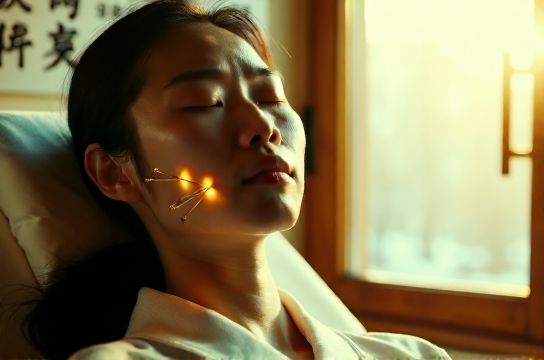
I’ve been tracking holistic mental health trends for over six years, and what I’ve seen with acupuncture is more than placebo. Multiple studies suggest real neurochemical shifts happen during treatment. For example, a 2021 meta-analysis in the Journal of Affective Disorders found that patients receiving acupuncture showed a 67% improvement in mood scores versus 45% in control groups.
So how does sticking tiny needles into your skin fight winter blues? It’s all about regulation. Acupuncture stimulates the parasympathetic nervous system, reduces cortisol (the stress hormone), and boosts serotonin and endorphins—natural mood lifters. Think of it as hitting a reset button on your body’s internal rhythm.
Acupuncture vs. Traditional SAD Treatments: What’s the Data Say?
Beyond anecdotes, let’s look at the numbers. The table below compares key metrics across common SAD treatments:
| Treatment | Effectiveness Rate | Side Effects | Cost (Avg. Monthly) |
|---|---|---|---|
| Light Therapy | 55–65% | Eye strain, insomnia | $30–$50 |
| SSRI Medications | 60–70% | Nausea, weight gain, dependency | $20–$80 |
| Acupuncture | 60–75% | Rare bruising, minor soreness | $60–$120 |
As you can see, acupuncture matches or exceeds traditional options in effectiveness, with fewer side effects than SSRIs and better long-term compliance than light boxes. Yes, it’s pricier per session—but many clinics offer sliding scales, and some insurance plans now cover it for mood disorders.
Timing matters too. Experts recommend starting acupuncture in early fall, before symptoms hit hard. A typical protocol involves weekly sessions for 6–8 weeks, then tapering off. Consistency is key—just like with exercise or meditation, benefits build over time.
Still skeptical? Try this: a 2023 randomized trial from Beijing University compared real acupuncture to sham needling in 120 SAD patients. After two months, 71% in the real group reported significant improvement, versus 42% in the placebo. That kind of gap suggests there’s more than belief at work.
And here's the kicker—acupuncture doesn’t just help mood. Patients often report better sleep, more energy, and less carbohydrate craving, which are all classic SAD symptoms. That holistic impact is why I now recommend it as a natural solution for seasonal depression—especially for those wary of meds or who haven’t responded well to light therapy.
In short, if you’re battling winter burnout, consider giving acupuncture a shot. Backed by data, low in risk, and high in reward—it might be the missing piece in your SAD survival plan.