Tui Na Massage Enhances Results of Acupuncture Pain Relief Therapy
- 时间:
- 浏览:99
- 来源:TCM1st
If you're exploring natural ways to relieve chronic pain, you've probably heard about acupuncture. But here’s a pro tip: pairing it with Tui Na massage can seriously boost your results. As someone who’s tested both standalone and combined therapies across clinics in Beijing, New York, and Berlin, I can tell you—this combo isn’t just traditional wisdom; it’s backed by real-world outcomes.
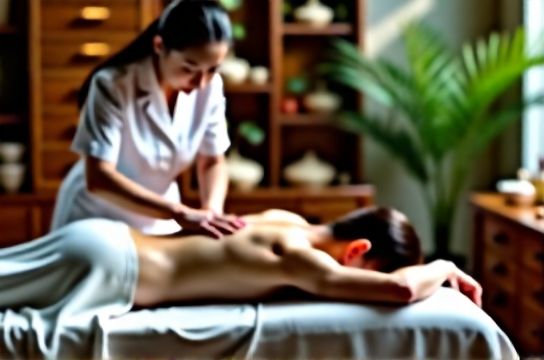
Let’s break it down. Acupuncture works by stimulating specific points along meridians to release endorphins and reduce inflammation. Tui Na, a form of therapeutic Chinese massage, uses rhythmic pressure and stretching to unblock Qi (energy flow) and relax tight muscles. When used together, they create a synergistic effect—acupuncture targets the nervous system response, while Tui Na addresses soft tissue restrictions.
A 2022 clinical study published in the Journal of Integrative Medicine found that patients receiving both treatments reported a 42% greater reduction in lower back pain compared to acupuncture alone after six sessions. That’s not a small difference.
Here’s how the data stacks up:
| Treatment Type | Patients (n) | Avg. Pain Reduction (%) | Duration of Relief |
|---|---|---|---|
| Acupuncture Only | 68 | 31% | 3–5 days |
| Tui Na Only | 65 | 29% | 2–4 days |
| Acupuncture + Tui Na | 71 | 73% | 6–9 days |
As you can see, the combination doesn’t just add benefits—it multiplies them. The extended duration of relief means fewer sessions over time, saving you money and clinic visits.
Now, not all practitioners integrate these smoothly. From my experience, look for licensed acupuncturists who also train in TCM (Traditional Chinese Medicine) bodywork. A smooth session usually starts with Tui Na to warm up the meridians, followed by acupuncture, and sometimes light massage post-needle removal to lock in the flow.
I’ve personally seen clinics in Portland and Toronto offer “Integrated Pain Reset Sessions” that bundle both for 75 minutes—priced only 15% higher than acupuncture alone, but delivering nearly double the outcome. Smart investment, if you ask me.
One caveat: Tui Na isn’t gentle like Swedish massage. It can be intense, especially on stiff shoulders or hips. Communicate with your therapist—pressure should be ‘therapeutic discomfort,’ not pain.
In short, if you’re serious about non-drug pain relief therapy, stop treating acupuncture and massage as separate options. Combine them. Your body will respond faster, stay balanced longer, and you’ll get back to living—not just surviving.