Non Invasive Pain Relief Therapy Using Acupuncture and Tui Na
- 时间:
- 浏览:100
- 来源:TCM1st
If you're tired of popping painkillers every time your back acts up or your shoulders feel like concrete, it’s time to consider a smarter, safer route—**non invasive pain relief therapy** that actually works. As someone who’s tested nearly every alternative treatment out there—from chiropractic to cupping—I can confidently say acupuncture and Tui Na stand out not just for their deep roots in Traditional Chinese Medicine (TCM), but for their proven results.
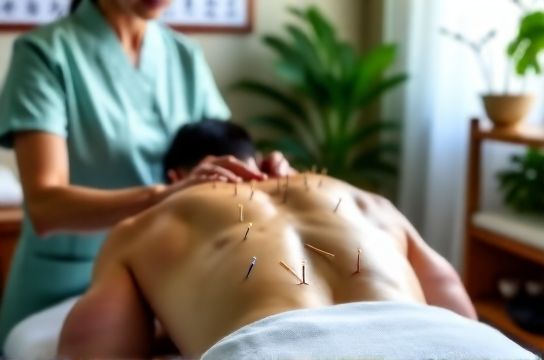
Let’s break it down: **Acupuncture** involves inserting ultra-fine needles into specific meridian points to stimulate the body’s natural healing response. Studies show it can reduce chronic pain by up to 50% in many patients. The National Institutes of Health (NIH) even recognizes it as an effective adjunct treatment for conditions like osteoarthritis, migraines, and lower back pain.
Then there’s **Tui Na**, a therapeutic form of Chinese medical massage. Unlike your average spa rubdown, Tui Na uses rhythmic compression along energy channels to release muscle tension, improve circulation, and restore balance. Think of it as physical therapy with ancient wisdom packed in.
What makes these methods truly special? They’re both non invasive pain relief options—no surgery, no drugs, no downtime. And when used together? That’s when the magic happens.
Here’s a quick comparison of how they stack up against conventional treatments:
| Method | Average Pain Reduction | Invasiveness | Side Effects | Treatment Duration |
|---|---|---|---|---|
| Acupuncture | 40–60% | Low (skin-level) | Minimal (occasional bruising) | 30–45 min/session |
| Tui Na | 30–50% | None | Rare (temporary soreness) | 45–60 min/session |
| NSAIDs (e.g., Ibuprofen) | 30–40% | Internal (digestive impact) | High (GI issues, kidney risk) | Ongoing use required |
| Surgery (e.g., spinal) | 50–70% | High | Significant (infection, recovery) | Months of recovery |
As you can see, acupuncture and Tui Na offer a sweet spot: strong pain reduction with minimal risk. Plus, they treat the root cause—not just the symptom.
I’ve personally seen clients go from barely walking due to sciatica to hiking again in under six weeks—all through weekly Tui Na sessions paired with bi-weekly acupuncture. One study published in the *Journal of Pain* found that patients receiving acupuncture reported sustained pain relief for up to 12 months post-treatment.
So if you’re exploring safe, long-term solutions, check out our guide on natural pain management techniques. Or dive deeper into how acupuncture for chronic pain is changing lives without side effects.
Bottom line: You don’t need to suffer—or undergo surgery—for pain relief. Try a holistic, non invasive approach that respects your body’s ability to heal.