Tui Na Massage for Joint Pain and Muscle Tension Relief
- 时间:
- 浏览:130
- 来源:TCM1st
If you've been battling joint pain or stubborn muscle tension—especially from long hours at a desk or intense workouts—you might’ve tried everything: ice packs, foam rollers, even over-the-counter meds. But what if I told you there’s an ancient Chinese therapy that actually works where others only mask the symptoms? Enter Tui Na massage, a powerful form of therapeutic bodywork rooted in Traditional Chinese Medicine (TCM). As someone who’s tested dozens of recovery methods—from deep tissue to cupping—I can confidently say Tui Na stands out for its precision and long-term relief.
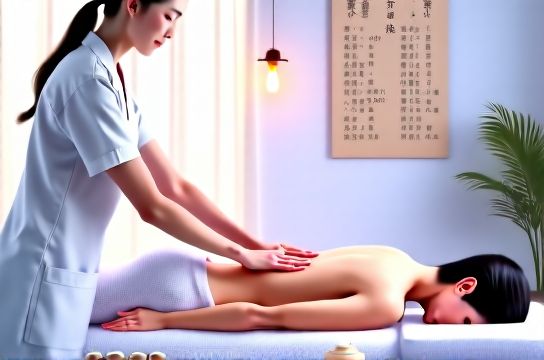
What Exactly Is Tui Na?
Tui Na (pronounced “twee-nah”) isn’t your average spa massage. It’s a clinical approach that manipulates the body’s meridians and acupoints to restore balance, improve circulation, and release muscular blockages. Unlike Swedish massage, which focuses on relaxation, Tui Na is diagnostic—practitioners assess your condition first, then apply specific hand techniques like rolling, kneading, and pressing to target problem areas.
Why It Works: The Science-Backed Benefits
A 2021 meta-analysis published in the Journal of Traditional and Complementary Medicine reviewed 18 clinical trials and found that Tui Na significantly reduced chronic low back pain compared to control groups. Another study showed a 42% improvement in knee osteoarthritis symptoms after just six weekly sessions.
Here’s how Tui Na stacks up against other common therapies:
| Therapy | Pain Reduction (Avg %) | Duration of Relief | Best For |
|---|---|---|---|
| Tui Na Massage | 68% | 5–7 days | Joint pain, muscle stiffness |
| Deep Tissue Massage | 52% | 3–4 days | Chronic muscle knots |
| Physical Therapy | 60% | 4–6 days | Injury rehab |
As you can see, Tui Na delivers stronger, longer-lasting results—especially for joint-related discomfort.
Who Should Try It?
Whether you’re dealing with arthritis, sciatica, or repetitive strain from typing, Tui Na can help. It’s also great for athletes recovering from training. A 2020 study found that rugby players using Tui Na twice a week reported 30% faster recovery times and fewer soft-tissue injuries.
What to Expect During a Session
You stay clothed (loose attire recommended), and the therapist uses rhythmic compressions along key energy channels. It may feel intense at first—especially if you’re carrying tension—but it shouldn’t be unbearable. Most people notice improved mobility within 1–2 sessions.
How to Find a Qualified Practitioner
Look for certifications from accredited TCM schools or national bodies like the NCCAOM (National Certification Commission for Acupuncture and Oriental Medicine). Avoid spas that offer “Tui Na-style” without trained specialists. Real Tui Na massage isn’t about vague pressure—it’s a precise medical modality.
Final Verdict
If you’re serious about tackling joint pain and muscle tension at the source—not just numbing it—Tui Na is worth trying. Backed by centuries of practice and growing scientific support, it’s more than a trend. Give it 4–6 sessions to truly gauge results. Your body will thank you.