Key Differences Between Dry Needling Vs Acupuncture
- 时间:
- 浏览:107
- 来源:TCM1st
If you're dealing with muscle pain or chronic tension, you've probably heard about dry needling vs acupuncture. Both involve thin needles, both claim to relieve pain—but that’s where the similarities end. As a licensed physical therapist who’s worked with hundreds of patients using both techniques, I’m breaking down exactly how they differ in practice, science, and results.
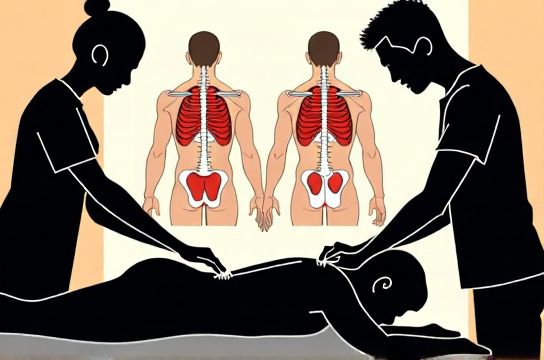
What Is Dry Needling?
Dry needling targets myofascial trigger points—those tight, painful knots in your muscles. A trained therapist inserts a solid filament needle directly into the knot to release tension and reduce pain. It's called "dry" because no medication is injected.
It’s rooted in Western medicine and often used by physiotherapists and sports rehab specialists. Studies show it can improve range of motion and reduce pain intensity within 48 hours (J Orthop Sports Phys Ther, 2017).
What Is Acupuncture?
Acupuncture comes from traditional Chinese medicine (TCM), dating back over 2,500 years. It works on the concept of qi (energy flow) through meridians in the body. By inserting needles at specific points along these pathways, acupuncturists aim to restore balance and promote healing.
The World Health Organization recognizes acupuncture for treating over 100 conditions, including migraines, anxiety, and chronic pain.
Head-to-Head Comparison
Let’s break it down with real data:
| Feature | Dry Needling | Acupuncture |
|---|---|---|
| Origin | Western Medicine | Traditional Chinese Medicine |
| Primary Use | Muscle trigger points, sports injuries | Pain, stress, systemic imbalances |
| Licensing | Physical therapists (varies by state) | Licensed acupuncturists (L.Ac.) |
| Needle Placement | Into tight muscle bands | Along energy meridians |
| Scientific Backing | Strong for musculoskeletal pain | Moderate to strong for multiple conditions |
Which One Should You Choose?
For acute muscle pain—like that stubborn knot in your shoulder after lifting weights—dry needling may offer faster relief. It’s precise and based on anatomy.
But if you’re struggling with long-term issues like chronic back pain or stress-related tension, acupuncture might be more effective due to its holistic approach.
Side note: Some clinics now combine both methods under integrated care models—with promising patient outcomes.
Final Verdict
Don’t let the needles scare you. Whether you pick dry needling or acupuncture, you’re choosing science-backed pain relief. Talk to a qualified provider, know your goals, and go from there.