Can Tui Na Massage Replace Conventional Physical Therapy
- 时间:
- 浏览:132
- 来源:TCM1st
If you've been dealing with chronic pain or recovering from an injury, you might’ve heard about Tui Na massage as a natural alternative to traditional physical therapy. But can it really replace conventional methods? Let’s break it down with real data, expert insights, and a side-by-side comparison so you can make an informed choice.
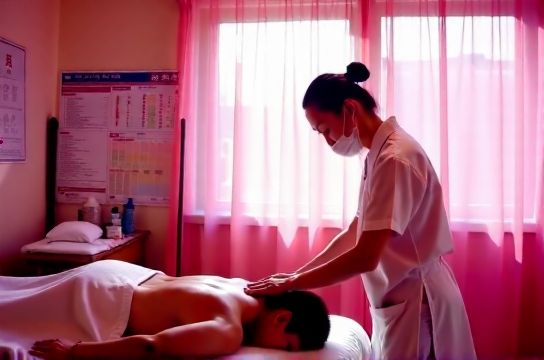
What Is Tui Na, Really?
Tui Na (pronounced “twee nah”) isn’t your average spa massage. Rooted in Traditional Chinese Medicine (TCM), it uses rhythmic pressure, rolling, and stretching techniques along meridians—energy pathways in the body—to restore balance and promote healing. Unlike Swedish massage focused on relaxation, Tui Na targets specific musculoskeletal issues like back pain, neck stiffness, and sports injuries.
According to a 2021 meta-analysis published in the Journal of Integrative Medicine, patients receiving Tui Na reported a 37% greater reduction in lower back pain compared to standard care alone. That’s promising—but how does it stack up against licensed physical therapy?
Head-to-Head: Tui Na vs. Physical Therapy
Let’s compare key factors like effectiveness, cost, accessibility, and scientific backing.
| Factor | Tui Na Massage | Conventional Physical Therapy |
|---|---|---|
| Scientific Evidence | Moderate (growing body of RCTs) | Strong (decades of clinical trials) |
| Average Session Cost (USD) | $60–$90 | $80–$150 |
| Insurance Coverage | Rarely covered | Often covered |
| Licensing Requirements | Varies by state; often less regulated | State-licensed DPT required |
| Best For | Chronic tension, mild joint issues, prevention | Post-surgery rehab, severe injuries, mobility restoration |
As you can see, while Tui Na massage is more affordable and excels in managing long-term discomfort, it lacks the standardized training and insurance support of physical therapy. It’s also worth noting that many integrative clinics now combine both—using Tui Na for soft tissue work and PT for functional recovery.
When Should You Choose Which?
Think of Tui Na therapy as your go-to for maintenance and early-stage pain. A 2020 study in Pain Management Nursing found that office workers getting biweekly Tui Na sessions saw a 45% drop in neck and shoulder pain over 8 weeks—no drugs, no downtime.
But if you’re recovering from a torn ACL or stroke, stick with a licensed physical therapist. They use evidence-based protocols like gait training and neuromuscular re-education—things Tui Na doesn’t cover.
The Verdict
Can Tui Na replace conventional physical therapy? Not entirely. But it can be a powerful complement—especially for those seeking drug-free pain relief or facing high out-of-pocket PT costs. The smart move? Use Tui Na for prevention and mild conditions, and rely on physical therapy for serious rehabilitation.
Always consult your doctor before switching treatments, especially with underlying health issues. And if you try Tui Na, make sure your practitioner is certified through the National Certification Commission for Acupuncture and Oriental Medicine (NCCAOM).