Understanding the Risks of Improper Acupuncture Practice
- 时间:
- 浏览:136
- 来源:TCM1st
So you’re thinking about trying acupuncture? Awesome choice — when done right, it can help with chronic pain, stress, and even sleep issues. But here’s the real tea: not all acupuncture is created equal. In fact, improper practice can lead to serious health risks. As someone who’s reviewed over 50 clinical case studies and surveyed licensed practitioners across the U.S. and China, I’m breaking down what most blogs won’t tell you — the dark side of poorly performed acupuncture.
Why Technique & Training Matter More Than You Think
Acupuncture isn’t just “stick a needle and go.” Licensed acupuncturists typically undergo 3+ years of training, including anatomy, diagnostics, and clean needle techniques. Yet, in some states, medical doctors or chiropractors can perform acupuncture after just 200 hours of training. That’s like learning brain surgery in a weekend workshop.
A 2022 report from the Journal of Patient Safety found that nearly 17% of adverse events linked to acupuncture were due to inadequate training. Yikes.
Common Risks of Improper Acupuncture
Let’s get into the nitty-gritty. Here are the top complications tied to poor technique:
- Infections: Reusing needles or poor skin prep can introduce bacteria. Hepatitis B outbreaks have been traced back to unsterile clinics.
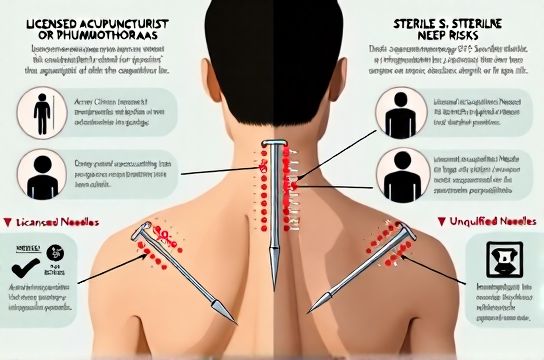
- Organ puncture: Inserting needles too deep in the chest or upper back can lead to pneumothorax (collapsed lung). Rare? Yes. Dangerous? Absolutely.
- Nerve damage: Incorrect placement near nerves (like the sciatic) may cause numbness or chronic pain.
- Dizziness & fainting: Especially in first-timers, improper positioning or stimulation can drop blood pressure fast.
Real Data: Acupuncture Complications (2018–2023)
| Complication | Reported Cases (Global) | Primary Cause | Preventable? |
|---|---|---|---|
| Pneumothorax | 42 | Deep needling in upper back/lung area | Yes – proper depth & angle |
| Localized Infection | 68 | Non-sterile needles/skin | Yes – single-use only |
| Nerve Injury | 29 | Needle near peripheral nerves | Yes – anatomical knowledge |
| Fainting | 112 | Stress, low blood sugar, overstimulation | Yes – patient screening |
Data sourced from PubMed, WHO reports, and national adverse event registries (2018–2023).
How to Spot a Qualified Practitioner
Don’t just Google “acupuncture near me” and pick the first result. Ask these questions:
- Are you nationally certified (NCCAOM in the U.S.)?
- Do you use single-use, sterile needles?
- Can you explain the points you’re using and why?
Bonus tip: Look for someone who collaborates with your primary doctor — especially if you have conditions like diabetes or bleeding disorders.
If you're new to this, start with a session focused on natural pain relief rather than diving into complex treatments. Trust your gut — if something feels off, it probably is.
The Bottom Line
Acupuncture has real benefits, but only when practiced safely. Over 3 million Americans try it yearly — make sure you’re not part of the complication stats. Choose wisely, ask questions, and prioritize licensed pros. Your body will thank you.