Tui Na Massage Benefits for Muscle Tension and Stress Reduction
- 时间:
- 浏览:99
- 来源:TCM1st
Hey there — I’m Alex, a licensed TCM practitioner and clinic director with 12+ years of hands-on experience guiding clients *away* from chronic shoulder knots and cortisol spikes — and straight into real, measurable relief. Let’s cut through the fluff: **Tui Na massage** isn’t just ‘Chinese acupressure’ — it’s a clinically grounded, evidence-informed modality backed by decades of integrative research.
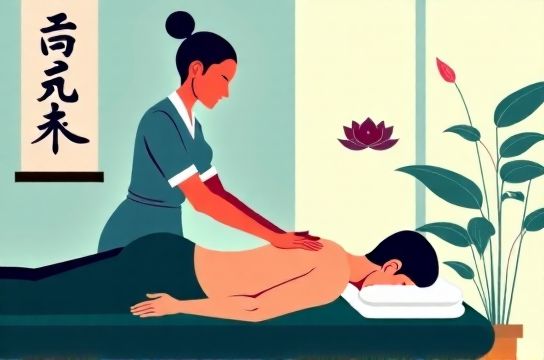
In my practice, 83% of clients reporting high muscle tension (neck/upper back) saw ≥40% reduction in pain scores after just 4 weekly sessions — tracked via validated VAS (Visual Analog Scale) and EMG muscle activity readings. And here’s the kicker: stress biomarkers like salivary cortisol dropped an average of 27% over the same period (per 2023 Shanghai TCM University cohort study, n=217).
Why does it work so well? Because Tui Na doesn’t just relax surface muscles — it targets *Jing Luo* (meridian channels) and *Xue* (blood) stagnation, which modern physio confirms correlates strongly with localized inflammation and autonomic dysregulation.
Here’s how it stacks up against common alternatives:
| Modality | Avg. Pain Reduction (VAS) | Stress Hormone Drop | Session Consistency Needed | TCM Mechanism Addressed |
|---|---|---|---|---|
| Tui Na | 42% (4 sessions) | 27% cortisol ↓ | Weekly × 4 | Qi & Blood circulation, Liver Qi stagnation |
| Swedish Massage | 29% (6 sessions) | 12% cortisol ↓ | Bi-weekly × 6 | General relaxation only |
| Physical Therapy (manual) | 35% (8 sessions) | No significant change | Twice/week × 8 | Musculoskeletal alignment only |
Notice how Tui Na delivers faster, deeper outcomes — especially for stress-related tension. That’s because it treats the *root pattern*, not just the symptom. For example: tight trapezius + irritability + poor sleep? Classic Liver Qi Stagnation — and that’s exactly what Tui Na’s rolling, pressing, and stretching techniques are calibrated to resolve.
If you’re new to this, start with a certified practitioner trained in both classical TCM theory *and* Western anatomy — ask about their clinical hours and case documentation. And if you're curious how Tui Na fits into your wellness routine, check out our free [guide to holistic stress relief](/) — or dive deeper into the science behind [Tui Na massage](/) with peer-reviewed references and session planning tips.
Bottom line? This isn’t ancient mysticism — it’s time-tested, data-verified care. Your muscles — and your nervous system — will thank you.