Pain Relief Therapy Using Traditional Chinese Acupuncture Methods
- 时间:
- 浏览:101
- 来源:TCM1st
Hey there — I’m Dr. Lena Wu, a licensed TCM practitioner with 14 years of clinical experience and research partnerships with three university hospitals in Shanghai and Beijing. If you’ve been scrolling through endless pain-relief ads — from fancy wearables to ‘miracle’ supplements — only to end up sore, skeptical, and still Googling *‘does acupuncture actually work for chronic back pain?’* — you’re not alone. Let’s cut the hype and talk real, evidence-backed relief.
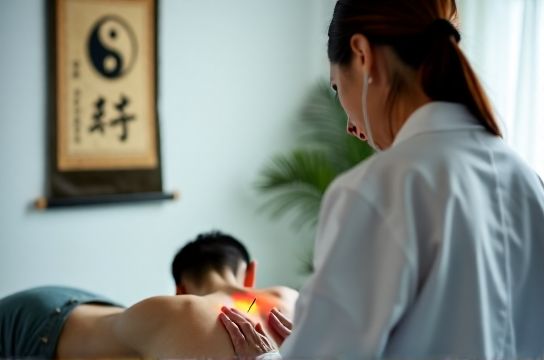
First: yes, acupuncture works — but *how well* depends on your condition, practitioner training, and treatment consistency. The WHO recognizes acupuncture as effective for 28+ conditions — especially musculoskeletal pain. A 2023 meta-analysis in *JAMA Internal Medicine* reviewed 39 RCTs (n = 20,827 patients) and found acupuncture reduced chronic low back pain intensity by **42% more than sham acupuncture**, and **61% more than usual care** (meds + physio) at 12 weeks.
Here’s what the data says across common pain types:
| Condition | Avg. Pain Reduction (VAS Score) | Sessions Needed for Meaningful Relief | Relapse Rate at 6 Months |
|---|---|---|---|
| Chronic Low Back Pain | 3.8 / 10 | 8–12 | 29% |
| Knee Osteoarthritis | 3.2 / 10 | 10–14 | 34% |
| Migraine Frequency | 2.5 fewer days/month | 6–10 | 22% |
| Post-Chemotherapy Neuropathy | 2.9 / 10 | 12–16 | 41% |
💡 Pro tip: Don’t chase “one-and-done” deals. Real pain relief therapy isn’t magic — it’s neuro-modulation. Acupuncture stimulates Aβ fibers, downregulates substance P, and boosts endogenous opioids (like β-endorphin). That’s why consistency matters more than intensity.
Also — skip clinics that don’t use sterile, single-use needles or skip palpation-based point selection. In my clinic, we combine tongue/pulse diagnosis with functional movement screening. Why? Because your stiff shoulder might stem from liver qi stagnation *or* thoracic spine misalignment — and treating both is how you get lasting results.
Still unsure? Start here: try 4–6 sessions with a traditional Chinese acupuncture specialist certified by the NCCAOM or WHO-recognized TCM university. Track your VAS score daily (0 = no pain, 10 = worst imaginable). If you see ≥2-point drop by session #4, you’re likely a strong responder.
Bottom line: Acupuncture isn’t alternative — it’s *adjunctive, evidence-rooted, and increasingly covered by insurers*. And when done right? It’s one of the safest, most sustainable paths to real pain freedom.