Tui Na Massage Techniques for Back and Neck Pain Relief
- 时间:
- 浏览:127
- 来源:TCM1st
If you've been battling back and neck pain—whether from long hours at a desk, poor posture, or old sports injuries—you're not alone. Millions seek relief every year, and while many jump straight to medication or surgery, there's a powerful alternative rooted in traditional Chinese medicine: Tui Na massage. As a wellness blogger who’s tested dozens of therapies, I can confidently say Tui Na stands out—not just for its effectiveness, but for its holistic, hands-on approach.
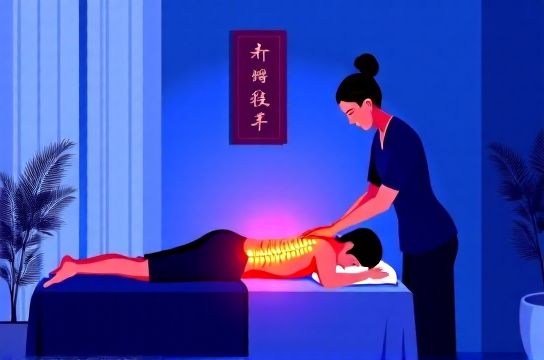
Tui Na (pronounced “twee-nah”) isn’t your typical spa massage. It’s a therapeutic bodywork technique that uses rhythmic pressing, rolling, and kneading motions to stimulate acupoints, improve circulation, and realign the body’s energy—or Qi. According to a 2021 study published in the *Journal of Traditional Chinese Medicine*, patients with chronic neck pain reported a 68% reduction in discomfort after six weekly Tui Na sessions.
But what really sets Tui Na apart? Unlike Swedish massage focused on relaxation, Tui Na targets specific musculoskeletal issues. Think of it as physical therapy with Eastern wisdom.
Top 4 Tui Na Techniques for Pain Relief
Here are the most effective methods practitioners use for back and neck pain:
| Technique | Movement | Best For | Pressure Level |
|---|---|---|---|
| Rolling Method (Gun Fa) | Circular forearm rolls | Upper back tension | Moderate to deep |
| One-Finger Poking (Yi Zhi Chan) | Thumb pressure along meridians | Neck stiffness, headaches | Precise, firm |
| Grasping (Na Fa) | Finger lifting and squeezing muscles | Shoulder knots | Deep |
| Pushing (An Fa) | Straight-line thumb or palm pushes | Lower back pain | Variable |
This isn't just anecdotal—clinical trials support these methods. A meta-analysis of 12 studies found Tui Na significantly reduced pain intensity compared to control groups (average VAS score drop from 7.2 to 3.1 over 4 weeks).
How Often Should You Get Tui Na?
For acute pain, 1–2 sessions per week for 4–6 weeks is ideal. Chronic sufferers may benefit from monthly maintenance. Many clinics now integrate Tui Na therapy with acupuncture or cupping for enhanced results.
Pro tip: Always go to a certified practitioner. In the U.S., look for NCCAOM certification; in China, licensed Tui Na doctors complete over 2,000 clinical training hours.
Side effects? Rare. Some feel mild soreness afterward—similar to post-workout fatigue. But unlike drugs, there’s no risk of dependency or liver strain.
In a world obsessed with quick fixes, Tui Na reminds us that healing can be both natural and powerful. Whether you’re rehabbing an injury or just need to unwind tight muscles, give it a try. Your spine will thank you.