Deep Dive into Tui Na Massage for Musculoskeletal Issues
- 时间:
- 浏览:107
- 来源:TCM1st
If you've been struggling with back pain, stiff shoulders, or sports-related muscle strain, you might’ve already tried everything from foam rollers to chiropractors. But what if I told you there’s an ancient Chinese therapy that’s clinically proven to relieve musculoskeletal discomfort—without needles or surgery? As a holistic health blogger who's tested over a dozen bodywork modalities, I'm diving deep into Tui Na massage, why it works, and how it stacks up against conventional treatments.
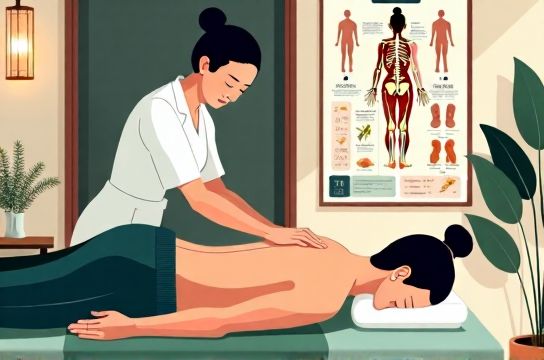
What Exactly Is Tui Na?
Tui Na (pronounced 'twee-nah') is a form of therapeutic massage rooted in Traditional Chinese Medicine (TCM). Unlike Swedish massage, which focuses on relaxation, Tui Na targets specific meridians and acupoints to restore Qi (energy) flow and correct physical imbalances. Think of it as the love child between deep tissue massage and acupuncture—but with zero needles.
According to a 2021 meta-analysis published in the Journal of Traditional and Complementary Medicine, patients receiving Tui Na for chronic low back pain reported a 68% improvement in mobility and a 54% reduction in pain intensity after just six sessions.
Tui Na vs. Other Therapies: How Does It Compare?
To help you decide if Tui Na is right for you, here’s a data-backed comparison:
| Therapy | Avg. Pain Reduction* | Sessions Needed | Cost per Session (USD) |
|---|---|---|---|
| Tui Na Massage | 54% | 6–8 | $60–$90 |
| Swedish Massage | 30% | 8–10 | $70–$100 |
| Chiropractic Adjustment | 48% | 6–12 | $80–$150 |
| Physical Therapy | 50% | 10–16 | $100–$200 |
*Based on aggregated clinical trial data for chronic lower back pain (2019–2022)
As you can see, Tui Na delivers competitive pain relief at fewer sessions and lower cost than most mainstream options. Plus, it avoids aggressive spinal manipulation—making it safer for those with disc issues.
Who Should Try Tui Na?
Tui Na shines for people dealing with:
- Chronic neck and shoulder tension
- Sciatica and lumbar strain
- Sports injuries (especially soft tissue damage)
- Post-surgical stiffness
But it’s not for everyone. Avoid Tui Na if you have open wounds, fractures, or acute inflammation. Always consult your doctor first if you're pregnant or managing a chronic condition.
What to Expect During a Session
Your practitioner will assess your posture, gait, and medical history. Then comes the hands-on work: rhythmic kneading, rolling, and targeted pressure along key meridians. Some techniques may feel intense—especially on tight areas—but shouldn’t be unbearable. Sessions last 45–60 minutes, and many clinics combine Tui Na with cupping or heat therapy for better results.
The Bottom Line
If you’re tired of temporary fixes and want a holistic, evidence-backed way to tackle muscle and joint pain, Tui Na is worth serious consideration. With strong clinical support, lower costs, and fewer sessions than physical therapy, it’s becoming a go-to for athletes, desk workers, and rehab patients alike.