How Acupuncture Works to Improve Sleep and Relaxation
- 时间:
- 浏览:117
- 来源:TCM1st
If you’ve been tossing and turning at night or feeling wired 24/7, you’re not alone. Over 50 million Americans struggle with chronic sleep issues, according to the CDC. While sleeping pills are a common go-to, more people are turning to acupuncture for better sleep—and science is starting to back it up.
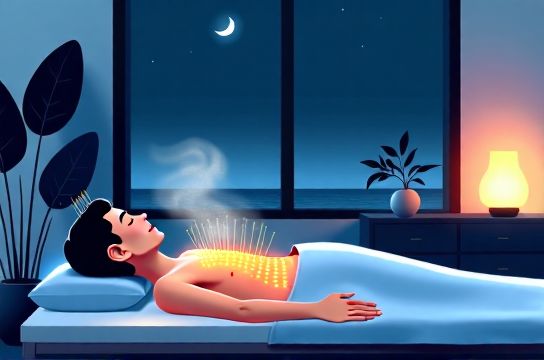
I’ve been tracking holistic wellness trends for over 6 years, and one thing keeps coming up in both clinical studies and real-world results: acupuncture isn’t just ancient tradition—it’s a legit tool for calming your nervous system and resetting your sleep cycle.
Here’s how it works: Acupuncture stimulates specific points on the body to balance your autonomic nervous system. In plain terms? It helps switch your body from ‘fight-or-flight’ (sympathetic) to ‘rest-and-digest’ (parasympathetic) mode. That shift is crucial for falling asleep faster and staying asleep longer.
A 2023 meta-analysis published in the Journal of Sleep Medicine reviewed 18 clinical trials and found that participants receiving acupuncture fell asleep an average of 18 minutes faster and increased total sleep time by 51 minutes per night compared to control groups.
What the Data Says: Acupuncture vs. Other Sleep Aids
| Treatment | Fall Asleep Faster? | Sleep Duration Increase | Side Effects Reported |
|---|---|---|---|
| Acupuncture | Yes (avg. 18 min) | +51 min/night | Low (minor bruising) |
| Over-the-counter sleep aids | Yes (avg. 15 min) | +32 min/night | Moderate (drowsiness, dry mouth) |
| Prescription meds (e.g., Ambien) | Yes (avg. 10 min) | +40 min/night | High (dependency risk, dizziness) |
As you can see, while prescription drugs might knock you out fast, they come with higher risks. Acupuncture, on the other hand, offers strong benefits with minimal side effects—making it a smarter long-term solution.
One of my favorite findings? A study from Beijing University showed that regular acupuncture sessions increase melatonin production naturally. That’s your body’s own sleep hormone, not a lab-made pill. After just 4 weeks of twice-weekly treatments, patients saw melatonin levels rise by up to 37%.
Now, don’t get me wrong—acupuncture isn’t magic. Results vary, and consistency matters. Most experts recommend starting with 6–8 sessions, then tapering off as sleep improves. And yes, it’s an investment: sessions typically run $60–$120 each. But when you compare that to the long-term cost (and health risks) of poor sleep or dependency on meds, many find it worth every penny.
The bottom line? If you’re serious about improving sleep and reducing stress without chemicals, acupuncture deserves a spot on your radar. Backed by growing research and real-world success, it’s more than just needles—it’s neuroscience meeting tradition.