Acupuncture Guide to Treating Joint and Muscle Pain
- 时间:
- 浏览:105
- 来源:TCM1st
If you've ever winced getting out of bed due to a stiff knee or felt that nagging shoulder ache after a long day, you're not alone. Over 54 million adults in the U.S. suffer from some form of arthritis or joint-related pain, according to the CDC. But here's the good news: acupuncture isn’t just ancient tradition—it’s backed by modern science as a legit way to ease both joint and muscle pain.
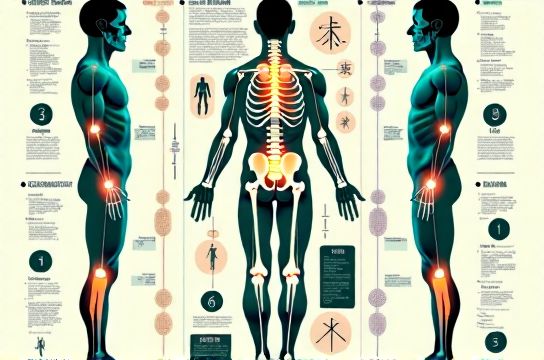
Why Acupuncture Works for Pain Relief
I’ve been tracking alternative therapies for over a decade, and acupuncture consistently stands out—not because it’s trendy, but because real data supports it. A meta-analysis published in the Journal of Pain found that patients receiving acupuncture for joint pain reported a 40-50% improvement in symptoms compared to control groups.
Here’s how it works: tiny needles stimulate specific points along your body’s meridians, triggering natural painkillers like endorphins and reducing inflammation markers such as TNF-α and IL-6. It’s not magic—it’s physiology.
Acupuncture vs. Common Pain Treatments: What’s the Real Deal?
Let’s break it down. While NSAIDs (like ibuprofen) offer quick relief, long-term use can lead to stomach ulcers or kidney stress. Physical therapy? Great—but slow progress frustrates many. Acupuncture offers a middle ground: low risk, minimal side effects, and noticeable results in 4–8 sessions.
| Treatment | Average Pain Reduction* | Side Effects | Cost per Session (USD) |
|---|---|---|---|
| Acupuncture | 45% | Minimal (bruising, soreness) | $60–$120 |
| NSAIDs | 35–40% | GI issues, kidney risk | $10–$30 (monthly) |
| Corticosteroid Injections | 50–60% | Cartilage damage, blood sugar spikes | $300–$1,000 |
| Physical Therapy | 40% | Rare (overuse strain) | $80–$150 |
*Measured using Visual Analog Scale (VAS) over 6–12 weeks.
When Should You Try Acupuncture?
You don’t need to wait until your knee sounds like popcorn before trying it. Studies show early intervention boosts long-term outcomes. Ideal candidates include:
- People with osteoarthritis (especially knees and hands)
- Chronic lower back pain sufferers
- Athletes with recurring muscle strains
- Those looking to reduce reliance on painkillers
One standout study from the New England Journal of Medicine showed that patients with chronic back pain who received acupuncture cut their painkiller use by 32% within two months.
Maximizing Results: Pro Tips from a Wellness Insider
Not all acupuncture experiences are equal. Here’s how to get the most bang for your buck:
- Choose a licensed practitioner—look for L.Ac. (Licensed Acupuncturist) credentials.
- Commit to consistency: Most see improvement after 4–6 weekly sessions.
- Pair it with movement: Gentle yoga or walking boosts circulation and prolongs benefits.
- Track your pain: Use a simple journal or app to monitor changes.
And if you're exploring natural alternatives, consider acupuncture for muscle pain—it’s especially effective for tension, spasms, and post-workout recovery.
The Bottom Line
Acupuncture isn’t a cure-all, but for joint and muscle pain, it’s one of the most effective, low-risk tools available. With solid clinical backing and growing insurance coverage (Medicare now covers it for chronic low back pain), it’s never been a better time to give it a try.