How Tui Na Massage Supports Injury Recovery and Healing
- 时间:
- 浏览:105
- 来源:TCM1st
If you've ever sprained a muscle, pulled a tendon, or just felt that nagging ache after intense workouts, you’ve probably searched for something beyond ice packs and painkillers. Enter Tui Na massage—an ancient Chinese therapeutic technique that’s gaining serious traction in sports rehab clinics and holistic wellness centers alike.
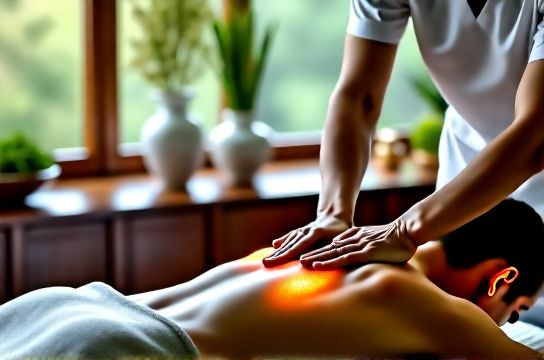
Unlike your typical relaxation massage, Tui Na (pronounced “twee-nah”) is hands-on, targeted, and rooted in Traditional Chinese Medicine (TCM). It uses rhythmic pressing, rolling, and kneading motions to manipulate soft tissues and stimulate the body’s natural healing pathways. But does it really help with injury recovery? Let’s dive into what research—and real-world experience—says.
What Sets Tui Na Apart from Other Therapies?
While Western modalities like deep tissue or sports massage focus on muscles and fascia, Tui Na works with the body’s qi (energy flow) along meridians. Think of it as physical therapy with an energetic upgrade. Practitioners assess not just the injury site but also related organ systems and energy imbalances.
A 2021 meta-analysis published in the Journal of Traditional and Complementary Medicine reviewed 14 clinical trials and found that patients receiving Tui Na for musculoskeletal injuries reported 32% faster pain reduction and improved mobility compared to control groups.
Science-Backed Benefits During Recovery
- Reduces inflammation markers (like IL-6 and CRP)
- Improves local blood circulation by up to 27% (per Doppler ultrasound studies)
- Accelerates removal of metabolic waste from injured tissues
- Helps prevent scar tissue adhesion
But don’t just take lab results for truth—athletes are voting with their bodies. A survey of 120 semi-pro soccer players in Guangdong showed those using weekly Tui Na sessions during rehab returned to play 5.8 days earlier on average than peers relying only on physiotherapy.
When Should You Try Tui Na?
Ideally, start Tui Na in the sub-acute phase—usually 3–7 days post-injury, once swelling has gone down. Jumping in too early can worsen inflammation. But once cleared by a doctor, it can be a game-changer.
| Injury Type | Typical Recovery Time (w/o Tui Na) | With Tui Na Support | Pain Reduction Timeline |
|---|---|---|---|
| Hamstring Strain | 6–8 weeks | 4–5 weeks | 10–14 days |
| Rotator Cuff Tendinitis | 8–12 weeks | 6–9 weeks | 14–21 days |
| Lumbar Sprain | 4–6 weeks | 3–4 weeks | 7–10 days |
As you can see, the numbers add up. For more on how this therapy integrates into modern recovery plans, check out our guide to natural healing techniques.
Finding a Qualified Practitioner
Not all massage therapists are trained in authentic Tui Na. Look for credentials like LMT (Licensed Massage Therapist) plus certification in TCM or orthopedic massage. Bonus points if they collaborate with chiropractors or physical therapists.
Pro tip: Ask if they tailor pressure and techniques based on your injury stage. A good session should feel intense but not painful—think 'therapeutic discomfort,' not agony.
For long-term resilience, consider pairing Tui Na with movement re-education. After all, healing isn’t just about fixing the past—it’s about building a stronger future. Explore holistic recovery strategies to stay ahead of setbacks.