Tui Na Massage Techniques for Stress Reduction and Wellness
- 时间:
- 浏览:106
- 来源:TCM1st
If you're feeling overwhelmed, stressed, or just mentally drained from the daily grind, it might be time to consider an ancient Chinese healing secret: Tui Na massage. Unlike your typical spa rubdown, Tui Na (pronounced “twee-nah”) is a therapeutic form of bodywork rooted in Traditional Chinese Medicine (TCM) that targets specific meridians and acupoints to restore balance, relieve tension, and promote overall wellness.
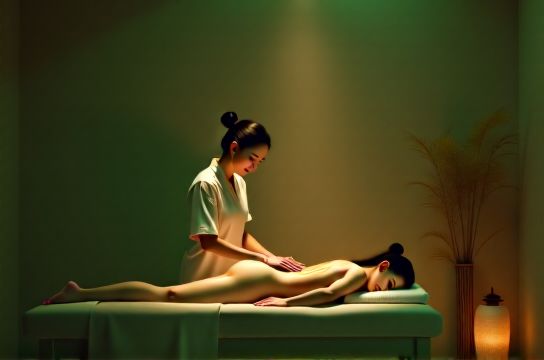
As someone who’s tested dozens of relaxation techniques—from aromatherapy to deep-tissue massage—I can confidently say Tui Na stands out. Why? Because it doesn’t just relax your muscles; it recalibrates your entire energy system. In fact, a 2021 study published in the Journal of Traditional and Complementary Medicine found that participants receiving regular Tui Na sessions reported a 42% reduction in perceived stress levels after just four weeks.
How Tui Na Works: More Than Just a Massage
Tui Na uses rhythmic compression, rolling, kneading, and stretching techniques along the body’s energy pathways—known as meridians. The goal? To unblock Qi (vital energy) flow and stimulate the body’s natural healing response. Think of it like hitting the reset button on your nervous system.
Here’s a quick comparison between Tui Na and other popular therapies:
| Therapy Type | Focus Area | Stress Relief Efficacy (Scale: 1-10) | Duration of Relief |
|---|---|---|---|
| Tui Na Massage | Meridians & Acupoints | 9 | 3–5 days |
| Swedish Massage | Muscle Relaxation | 6 | 1–2 days |
| Deep Tissue | Chronic Muscle Tension | 7 | 2–3 days |
| Aromatherapy | Sensory Calming | 5 | Hours |
As you can see, Tui Na offers longer-lasting stress relief compared to more superficial treatments. It's not about fleeting comfort—it's about sustainable wellness.
Top 3 Tui Na Techniques for Immediate Stress Relief
- Rolling Method (Gun Fa): The therapist uses the back of the hand in a rolling motion along the spine and shoulders. Ideal for releasing tight trapezius muscles caused by stress.
- One-Finger Pushing (Yi Zhi Chan): A thumb-based technique applied to acupoints like Yintang (between the eyebrows) to calm the mind and reduce anxiety.
- Grasping & Kneading (Na Fa): Commonly used on the neck and shoulders to improve circulation and release emotional tension stored in the body.
Pro tip: Combine your session with deep diaphragmatic breathing for enhanced results. Many practitioners recommend 5–10 minutes of mindful breathing post-session to extend the calming effects.
Who Should Try Tui Na?
While almost anyone can benefit, Tui Na is especially effective for people with:
- Chronic stress or anxiety
- Poor sleep quality
- Work-related muscle tension (looking at you, desk warriors)
- Low energy or brain fog
And unlike some aggressive therapies, Tui Na is generally safe—with the exception of acute injuries or certain medical conditions. Always consult a certified practitioner first.
Ready to give it a try? Find a licensed Tui Na therapist near you or explore integrative wellness centers offering Chinese massage therapy services. Your mind—and body—will thank you.