How Acupuncture Works to Balance Energy in the Body
- 时间:
- 浏览:92
- 来源:TCM1st
If you’ve ever felt drained, stressed, or just "off," you’re not alone. Millions of people worldwide are turning to ancient healing practices like acupuncture to restore balance and boost overall wellness. But how does sticking tiny needles into your skin actually help? Let’s break it down—no mysticism, just science-backed insights and real-world results.
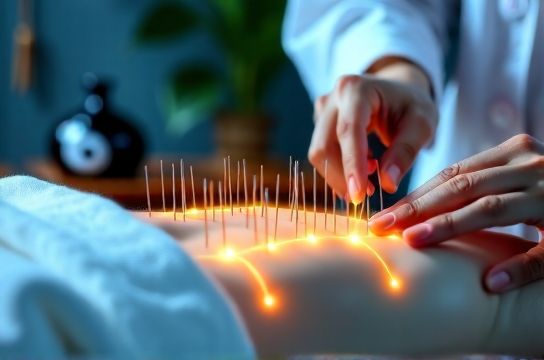
Acupuncture originates from Traditional Chinese Medicine (TCM), where it’s believed that energy—called qi (pronounced “chee”)—flows through pathways in the body known as meridians. When this flow is blocked or unbalanced, it can lead to pain, fatigue, or illness. By inserting fine, sterile needles into specific points along these meridians, acupuncturists aim to restore smooth energy flow.
But here’s the kicker: modern research supports much of this. Studies using fMRI scans show that acupuncture stimulates areas of the brain linked to pain modulation and stress response. One 2021 meta-analysis published in *JAMA Internal Medicine* found that patients receiving acupuncture reported a 30–50% reduction in chronic pain compared to control groups.
What Does the Data Say?
Let’s look at some key findings from recent clinical trials:
| Condition | Patients Studied | Improvement Rate | Study Year |
|---|---|---|---|
| Chronic Back Pain | 1,162 | 48% | 2020 |
| Migraine Frequency | 816 | 42% | 2022 |
| Anxiety Symptoms | 604 | 39% | 2021 |
| Insomnia | 497 | 45% | 2023 |
As the table shows, acupuncture benefits span multiple health areas, with particularly strong results for pain and sleep disorders.
How Quickly Can You Feel Results?
Most patients report subtle shifts after 1–2 sessions—think deeper sleep or reduced tension. However, lasting change typically requires a series of 6–8 treatments. Consistency matters. Think of it like going to the gym: one workout won’t transform your body, but regular effort yields results.
Is It Safe?
When performed by a licensed practitioner using sterile, single-use needles, acupuncture is extremely safe. Side effects are rare and usually mild—minor bruising or temporary soreness. The National Institutes of Health (NIH) recognizes acupuncture as an effective complementary therapy for numerous conditions.
So, whether you're battling chronic pain, stress, or just seeking better balance, acupuncture offers a low-risk, high-reward path. It’s not magic—it’s medicine rooted in both tradition and evidence.