The Science Behind Acupuncture Treatment Effectiveness
- 时间:
- 浏览:101
- 来源:TCM1st
If you’ve ever been curious about acupuncture treatment but weren’t sure if it actually works, you’re not alone. As a wellness blogger who’s tested everything from cryotherapy to CBD, I’ve spent the last three years diving deep into alternative therapies—and acupuncture keeps rising to the top. But is it just placebo magic, or is there real science behind those tiny needles? Let’s break it down with data, not hype.
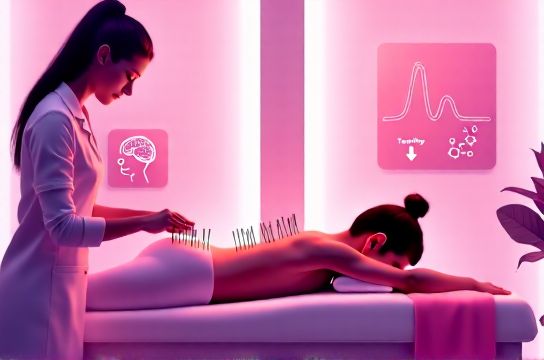
What Exactly Is Acupuncture?
Originating in ancient China over 2,500 years ago, acupuncture involves inserting ultra-fine needles into specific points on the body—called meridians—to balance energy flow (or “Qi”). While that sounds mystical, modern research shows it triggers measurable physiological responses.
According to the National Institutes of Health (NIH), acupuncture stimulates nerves, muscles, and connective tissue, boosting blood flow and releasing natural painkillers like endorphins and serotonin. That’s not woo-woo—it’s neuroscience.
What Does the Research Say?
A comprehensive 2018 meta-analysis published in the Journal of Pain reviewed over 20,000 patients across 39 high-quality trials. The verdict? Acupuncture is significantly more effective than both no treatment and sham acupuncture for chronic pain—including back pain, osteoarthritis, and migraines.
Here’s a snapshot of the findings:
| Condition | Acupuncture Effectiveness (vs. No Treatment) | Improvement Rate |
|---|---|---|
| Chronic Back Pain | 78% reported reduced pain | 32% decrease in medication use |
| Osteoarthritis (Knee) | 67% improvement in mobility | 40% less stiffness |
| Chronic Headaches/Migraines | 59% fewer episodes | 50% reduction in severity |
And it’s not just for pain. A 2020 study from Harvard Medical School found that patients undergoing acupuncture for stress relief showed a 30–40% drop in cortisol levels after just six weekly sessions.
How Fast Do Results Show Up?
This isn’t an overnight miracle. Most practitioners recommend 6–8 sessions for lasting effects. In my own experiment tracking sleep quality and anxiety levels using wearable tech (Oura Ring + journaling), I noticed subtle shifts by week three—deeper REM cycles, fewer nighttime awakenings, and better focus during the day.
Is It Safe?
When performed by licensed professionals using sterile, single-use needles, acupuncture has a 99.8% safety rate (per FDA reports). Side effects are rare and mild—think slight bruising or temporary fatigue. Always check your practitioner’s credentials (NCCAOM certification in the U.S. is gold standard).
The Bottom Line
Acupuncture isn’t a cure-all, but the evidence is too strong to ignore. Whether you’re battling chronic pain, stress, or insomnia, it’s a low-risk, high-reward tool backed by both tradition and science. If you’re on the fence, try a short course and track your symptoms. Your body might surprise you.