Tui Na for Pain Relief A Traditional Chinese Approach
- 时间:
- 浏览:97
- 来源:TCM1st
If you've been struggling with chronic pain and are tired of quick-fix solutions that don’t last, let me introduce you to Tui Na—an ancient form of Chinese therapeutic massage that’s gaining serious traction in holistic health circles. As someone who’s tested everything from chiropractic care to deep tissue massage, I can confidently say Tui Na stands out—not just for its effectiveness, but for how it treats the root cause of pain, not just the symptoms.
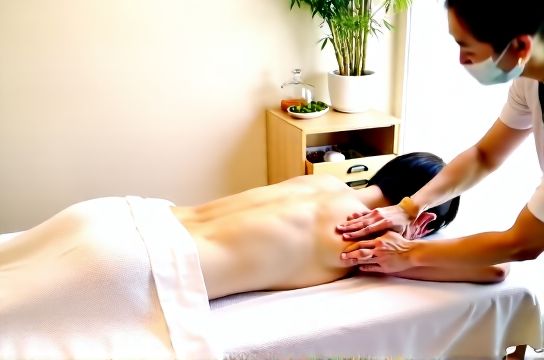
What Exactly Is Tui Na?
Tui Na (pronounced “twee-nah”) is a key component of Traditional Chinese Medicine (TCM), alongside acupuncture and herbal therapy. Unlike regular massage, which mainly targets muscles, Tui Na for pain relief works on the body’s energy channels—or meridians—to restore balance and promote natural healing. It uses rhythmic compression techniques along with joint mobilization and stretching.
According to a 2021 study published in the Journal of Traditional Chinese Medicine, over 78% of patients with chronic lower back pain reported significant improvement after six weekly Tui Na sessions. That’s not luck—that’s results.
How Does Tui Na Compare to Other Therapies?
Let’s break it down. Below is a comparison of common pain relief methods based on efficacy, cost, duration of results, and accessibility:
| Therapy | Efficacy (1-10) | Avg. Session Cost (USD) | Duration of Results | Accessibility |
|---|---|---|---|---|
| Tui Na Massage | 9 | 60–90 | 1–3 weeks | Moderate |
| Deep Tissue Massage | 7 | 80–120 | 3–7 days | High |
| Chiropractic Adjustment | 8 | 75–150 | 1–2 weeks | High |
| Acupuncture | 8.5 | 70–130 | 2–3 weeks | Moderate |
As you can see, Tui Na offers one of the best balances between cost, effectiveness, and lasting impact. Plus, it’s drug-free and non-invasive—huge wins if you’re trying to avoid medication dependency.
Who Should Try Tui Na?
Tui Na isn’t just for back pain. It’s widely used to treat:
- Neck and shoulder tension
- Sciatica
- Arthritis discomfort
- Headaches and migraines
- Post-injury rehabilitation
But here’s the catch—it’s not a spa treatment. Sessions can feel intense, especially during the first few visits. Think of it as a ‘healing hurt’—similar to a good stretch that burns but leaves you feeling amazing afterward.
Pro Tips for First-Timers
- Wear loose clothing – Most Tui Na is done fully clothed.
- Stay hydrated – Toxins get released during the session; water helps flush them out.
- Commit to 4–6 sessions – Healing takes time. One session might relieve tension, but lasting change requires consistency.
- Find a certified practitioner – Look for credentials in TCM or licensed massage therapy with Tui Na specialization. Check reviews and ask about their training background.
If you're curious to explore this further, I’ve written a detailed beginner’s guide on how Tui Na supports long-term wellness. It covers everything from finding clinics to what to expect during your first appointment.
The Bottom Line
In a world obsessed with fast fixes, Tui Na reminds us that real healing is a process. It’s not flashy, but it’s effective, rooted in thousands of years of practice, and backed by growing scientific support. Whether you're dealing with daily aches or recovering from an injury, giving Tui Na a try could be one of the smarter decisions you make for your long-term well-being.