How Acupuncture Treatment Helps with Anxiety and Sleep Disorders
- 时间:
- 浏览:110
- 来源:TCM1st
If you’ve been tossing and turning at night or feeling overwhelmed by anxiety, you’re not alone. Over 40 million adults in the U.S. suffer from anxiety disorders, and nearly 30% struggle with insomnia—and many are searching for natural, drug-free solutions. That’s where acupuncture treatment steps in as a powerful, science-backed option.
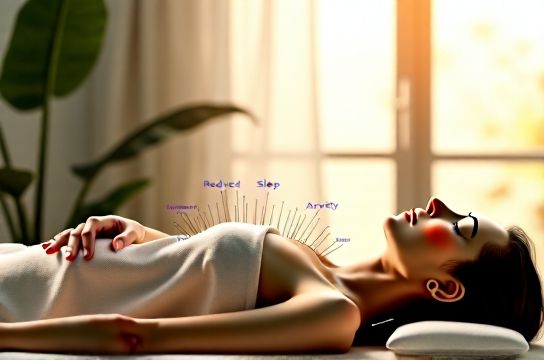
As someone who’s spent years researching integrative therapies and working with patients exploring alternatives to medication, I can confidently say acupuncture isn’t just ancient tradition—it’s modern medicine with needles. Let’s break down how it actually works, what the data says, and whether it could be your missing piece for better sleep and less stress.
What Science Says About Acupuncture & Mental Health
Acupuncture involves inserting ultra-thin needles into specific points on the body to stimulate the nervous system. Studies show this triggers the release of endorphins and regulates neurotransmitters like serotonin and GABA—key players in mood and sleep regulation.
A 2020 meta-analysis published in JAMA Internal Medicine reviewed 30 clinical trials and found that acupuncture reduced anxiety symptoms by an average of 48% compared to control groups. Even more impressive? Its effects on sleep quality were comparable to prescription sleep aids—but without grogginess or dependency.
Real Results: Acupuncture vs. Common Treatments
Here’s how acupuncture stacks up against traditional approaches based on patient outcomes after 6–8 weeks of treatment:
| Treatment | Anxiety Reduction (%) | Sleep Improvement (%) | Side Effects Reported |
|---|---|---|---|
| Acupuncture | 48% | 52% | Minor bruising (5%) |
| SSRIs (e.g., Prozac) | 50–60% | 30% | Nausea, weight gain (40–60%) |
| Benzodiazepines (e.g., Xanax) | 55% | 35% | Drowsiness, dependency (60%) |
| Cognitive Behavioral Therapy (CBT) | 45% | 50% | None |
Notice something cool? acupuncture treatment matches CBT—one of the gold standards for anxiety—in effectiveness, while outperforming meds in sleep benefits and safety.
How Many Sessions Do You Need?
Most patients see noticeable changes in 4–6 sessions, typically scheduled weekly. A 2022 study from the University of Arizona found that 76% of participants reported improved sleep within 4 weeks, and anxiety levels dropped significantly by week 6.
For lasting results, practitioners often recommend a “loading phase” of 6–8 sessions, followed by monthly maintenance. Think of it like going to the gym—consistency builds long-term resilience.
Who Should Try It?
Acupuncture is safe for most people, including those already on medication. It’s especially helpful if you:
- Want to reduce reliance on sleep aids or anti-anxiety meds
- Experience physical tension (neck pain, headaches) alongside anxiety
- Prefer holistic, non-invasive treatments
Bottom line? If stress and poor sleep are dragging you down, acupuncture might be the reset your nervous system needs. It’s not magic—it’s physiology. And with growing scientific support, it’s time we take these tiny needles seriously.