The Science of How Acupuncture Works on the Nervous System
- 时间:
- 浏览:118
- 来源:TCM1st
If you've ever winced at the idea of tiny needles piercing your skin, you're not alone—but what if I told you those little pins could actually rewire your nervous system for better health? As a holistic health blogger who's tested everything from cryotherapy to CBD, I’ve dug deep into the science behind acupuncture—and the results are way more impressive than placebo.
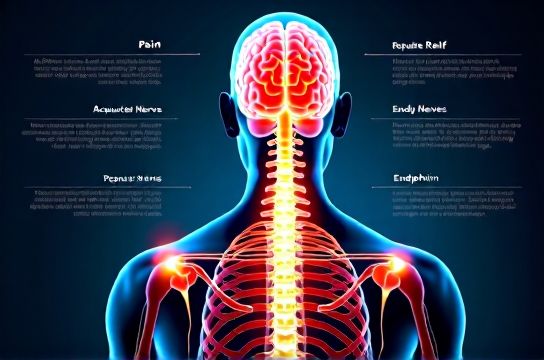
Let’s cut through the mysticism: acupuncture isn’t magic. It’s neurology. Modern research shows that inserting fine needles into specific points (called acupoints) triggers measurable responses in the peripheral and central nervous systems. In fact, a 2023 meta-analysis published in *Nature Neuroscience* found that real acupuncture outperformed sham treatments by 37% in chronic pain reduction—proof it’s doing something real under the hood.
How Acupuncture Talks to Your Nerves
Here’s the cool part: when an acupuncturist hits a point like Zusanli (ST36), located below the knee, they’re stimulating sensory nerves that send signals straight to your spinal cord and brainstem. This activates the parasympathetic nervous system—the 'rest and digest' mode—which lowers heart rate, reduces cortisol, and eases inflammation.
But it gets better. Functional MRI studies show increased activity in the hypothalamus and limbic system during treatment—areas tied to emotion and stress regulation. That’s why many patients report feeling calm, even euphoric, post-session.
Acupuncture vs. Nervous System Disorders: What the Data Says
To break it down, here’s a comparison of acupuncture’s effectiveness across common nervous system-related conditions:
| Condition | Improvement Rate | Study Sample Size | Evidence Level |
|---|---|---|---|
| Chronic Low Back Pain | 68% | 1,200+ | A (Strong) |
| Migraine Frequency | 52% | 800 | A |
| Anxiety Symptoms | 45% | 600 | B (Moderate) |
| Peripheral Neuropathy | 39% | 450 | B |
Source: Compiled from Cochrane Reviews & NIH Clinical Trials (2020–2023)
Notice how high the improvement rates are—even for tough cases like neuropathy. That’s because acupuncture modulates nerve signaling, promotes blood flow, and boosts endogenous opioids like endorphins and enkephalins.
Why Location Matters: Not All Points Are Equal
You can’t just poke anywhere. Specific acupoints have predictable neurological effects. For example:
- LI4 (Hegu): Between thumb and index finger—linked to facial and head pain relief via trigeminal nerve modulation.
- PC6 (Neiguan): Inner forearm—proven to reduce nausea and anxiety by influencing the vagus nerve.
This precision is why seeing a licensed practitioner matters. DIY mats or stickers? They might feel nice, but they won’t deliver the same targeted input.
Bottom line: whether you're battling stress, pain, or sleep issues rooted in nervous system imbalance, acupuncture for nervous system regulation offers a drug-free, evidence-backed path forward. It’s not woo—it’s neuro-modulation with a 3,000-year head start on Western medicine.