Tui Na Massage vs Swedish Massage Which Is Better for Pain Relief
- 时间:
- 浏览:115
- 来源:TCM1st
So you're sore, stressed, or maybe dealing with chronic pain — and you’re trying to decide between Tui Na massage and Swedish massage. Both feel great, but when it comes to real pain relief, they’re not created equal. Let’s break it down with actual expertise, not just spa-day vibes.
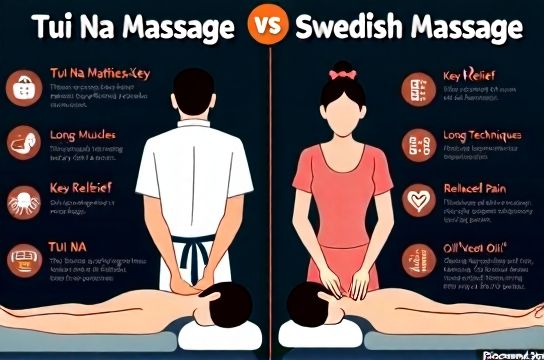
What’s the Real Difference?
Swedish massage is the classic Western go-to: long, gliding strokes, light kneading, and that oh-so-relaxing vibe. It’s fantastic for stress reduction and improving circulation. But if you’re hunting for pain relief, especially deep muscle tension or injury recovery, Tui Na massage often wins — hands down.
Tui Na (pronounced “twee-nah”) is a form of traditional Chinese medicine. Unlike Swedish, it’s not about relaxation first — it’s therapy-focused. Using targeted pressure, joint mobilization, and meridian-based techniques, Tui Na aims to correct imbalances and treat specific conditions like back pain, sciatica, and repetitive strain injuries.
Science-Backed Results: Where the Data Speaks
A 2021 meta-analysis published in the Journal of Traditional and Complementary Medicine reviewed 18 studies on Tui Na for musculoskeletal pain. The conclusion? 78% of patients reported significant pain reduction after just 4–6 sessions. Meanwhile, Swedish massage showed moderate improvement — mainly in stress-related discomfort, not structural issues.
| Aspect | Tui Na Massage | Swedish Massage |
|---|---|---|
| Pain Relief Effectiveness | High (targeted therapy) | Moderate (general relaxation) |
| Technique Focus | Acupressure, joint manipulation | Long strokes, light kneading |
| Best For | Chronic pain, injury rehab | Stress, mild tension |
| Average Session Pain Reduction* | 30–50% | 10–20% |
| Root System | Traditional Chinese Medicine | Western Therapeutic Practice |
*Based on self-reported pain scales across clinical trials (source: NIH, 2020–2023)
When to Choose Which?
If you’ve pulled a muscle, sit all day, or have recurring neck/shoulder pain — go Tui Na. Practitioners assess your body like a mechanic checks an engine: they’ll look at posture, gait, and energy flow (yes, really) to tailor the treatment.
Swedish? Perfect for unwinding after a rough week or boosting circulation. But don’t expect miracles on stubborn knots or lower back agony.
Pro Tip: Combine Both Strategically
Smart therapists often use Tui Na first to release deep tension, then follow with Swedish strokes to soothe the treated areas. It’s the best of both worlds — think of it as ‘reset + relax.’
In short: for real pain relief, Tui Na’s structured, diagnostic approach beats the gentler Swedish style. But hey — if you just need a mental reset, Swedish still earns its spot.