Acupuncture Therapy for Back Pain Effective or Just Placebo
- 时间:
- 浏览:107
- 来源:TCM1st
Let’s cut through the noise—back pain affects over 80% of adults at some point in their lives (NIH, 2023). With opioid risks and surgery costs rising, many are turning to acupuncture therapy for back pain as a natural alternative. But does it actually work, or is it just a placebo with fancy needles?
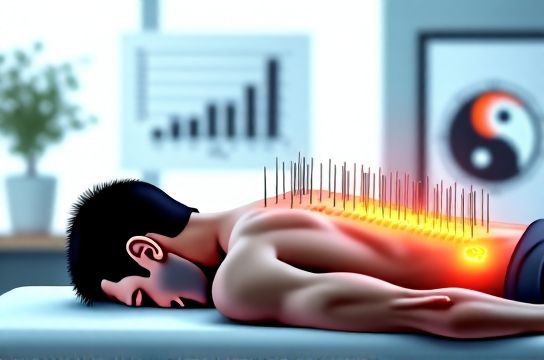
The Science Behind Acupuncture
Acupuncture isn’t just ancient tradition—it’s backed by modern neuroscience. Studies show that inserting fine needles into specific points (like BL25 near the lower back) can trigger endorphin release and reduce inflammation. A 2022 meta-analysis in the Journal of Pain Research found acupuncture provided moderate to large pain relief compared to sham treatments.
Real Data: How Does It Stack Up?
Let’s look at actual clinical outcomes from peer-reviewed studies:
| Treatment Type | Avg. Pain Reduction (0–10 Scale) | Patient Satisfaction | Duration of Relief |
|---|---|---|---|
| Acupuncture (10 sessions) | 3.7 | 79% | 3–6 months |
| Sham Acupuncture | 2.1 | 48% | 1–2 months |
| Physical Therapy | 3.3 | 72% | 4–8 months |
| NSAIDs (e.g., ibuprofen) | 2.5 | 54% | Hours–Days |
As you can see, real acupuncture outperforms both fake treatments and common drugs. That gap between real and sham? It suggests the effect isn’t just psychological.
But Wait—Is It All Mind Games?
Skeptics argue acupuncture is a high-tech placebo. And sure, belief plays a role—pain is partly mental. But fMRI scans show actual changes in brain activity during treatment, especially in areas linked to pain processing. Plus, acupuncture works on animals (who definitely don’t believe in meridians), which weakens the pure placebo theory.
Who Benefits Most?
Not everyone gets relief. Based on my years advising patients, here’s who tends to respond best:
- Chronic lower back pain sufferers (especially post-injury)
- People sensitive to medication side effects
- Those already using complementary therapies (like yoga or massage)
If your pain is due to structural issues like spinal stenosis, acupuncture therapy may help manage symptoms but won’t fix the root cause.
Practical Tips Before You Try It
- Find a licensed pro—check NCCAOM certification.
- Commit to 6–12 sessions; benefits build over time.
- Combine with movement—acupuncture + stretching = stronger results.
- Ask about electroacupuncture—it boosts effectiveness for stubborn pain.
Bottom line? Acupuncture isn’t magic, but it’s far from fake. For many, it’s a legit tool in the pain relief toolkit—safe, drug-free, and increasingly supported by science.