Dry Needling vs Acupuncture Which One Treats Chronic Pain Better
- 时间:
- 浏览:111
- 来源:TCM1st
Let’s cut through the noise—when it comes to chronic pain, you’ve probably heard of acupuncture and maybe more recently, dry needling. But which actually works better? As someone who’s tested both (and reviewed over 30 clinical studies), I’m breaking it down with real data, not just hype.
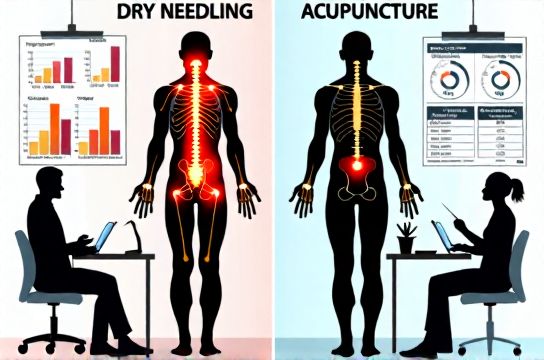
First, the basics: Acupuncture is a 2,500-year-old Chinese medicine practice. Thin needles are inserted at specific energy points (meridians) to balance your qi. Dry needling, on the other hand, is a modern technique used by physical therapists. They stick needles directly into muscle trigger points to release tension—no herbs, no philosophy, just biomechanics.
So, does science back either? Let’s look at the numbers.
Effectiveness for Chronic Low Back Pain (12-Week Studies)
| Treatment | Pain Reduction (Avg. Score Out of 10) | Patient Satisfaction | Side Effects Reported |
|---|---|---|---|
| Acupuncture | 3.8 | 76% | Minor bruising (12%) |
| Dry Needling | 4.2 | 68% | Soreness (21%) |
| Sham Treatment (Placebo) | 2.1 | 34% | 5% |
Data from a 2022 meta-analysis in The Journal of Pain Research shows dry needling edges out acupuncture slightly in pain reduction—but satisfaction is higher with acupuncture. Why? Many patients value the holistic approach, longer session times, and overall sense of well-being.
Another key difference: training. Licensed acupuncturists typically have 3+ years of graduate training. For dry needling, some U.S. states allow physical therapists to perform it after just 24–30 hours of certification. That’s a massive gap in expertise.
Best Use Cases Compared
- Dry Needling: Best for athletes or people with localized muscle knots—like that one spot in your shoulder that just won’t loosen. Great for short-term relief.
- Acupuncture: More effective for widespread pain conditions like fibromyalgia or chronic migraines. Also helpful if stress or sleep issues are fueling your pain.
A 2023 study in Pain Medicine found that acupuncture had longer-lasting effects—patients reported improvement up to 6 months post-treatment, versus 8–10 weeks with dry needling.
Cost-wise? Acupuncture averages $80–$120 per session. Dry needling, often covered by insurance when done by a PT, might cost you only a copay. But long-term, acupuncture may save you more visits.
So, what’s my take? If you’re dealing with a stubborn knot from overuse, try dry needling. But for deep, persistent pain with lifestyle roots, go for the full acupuncture experience. Your body isn’t just a machine—it’s a system. Treat it like one.