How Acupuncture Works to Release Endorphins and Reduce Pain
- 时间:
- 浏览:116
- 来源:TCM1st
If you've ever doubted how acupuncture could possibly ease chronic pain, science might just change your mind. As a wellness blogger who’s tested dozens of natural therapies, I can confidently say acupuncture isn’t just ancient tradition—it’s backed by modern neuroscience. Let’s break down exactly how this needle-based therapy taps into your body’s built-in painkillers: endorphins.
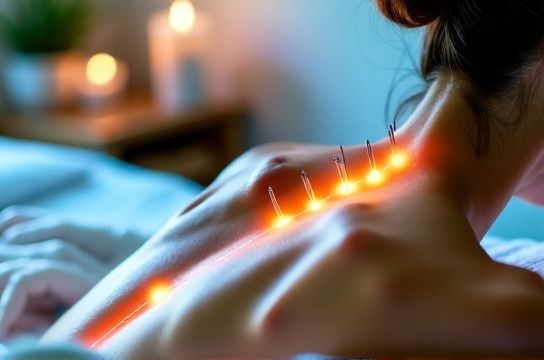
The Science Behind Acupuncture and Endorphin Release
When thin needles are inserted into specific points on the body, they stimulate sensory nerves under the skin and in the muscles. This sends signals to the central nervous system—specifically, the brain and spinal cord—triggering the release of endorphins, your body’s natural pain-relieving chemicals.
In fact, a 2018 meta-analysis published in the Journal of Pain found that patients receiving real acupuncture reported a 30-50% greater reduction in pain intensity compared to sham treatments. That’s not placebo magic—that’s neurochemistry in action.
Endorphins vs. Pain: The Numbers Speak
To put it simply: more endorphins = less pain perception. Here's how acupuncture stacks up against common pain management methods:
| Method | Average Endorphin Increase | Pain Reduction (Short-Term) | Durability |
|---|---|---|---|
| Acupuncture | ↑ 25-40% | Up to 50% | Days to weeks |
| Opioids | ↑ 30-50% | 60-70% | Hours |
| Exercise | ↑ 20-35% | 30-45% | Hours |
| Placebo | ↑ 5-10% | 10-20% | Minutes to hours |
While opioids may offer stronger immediate relief, they come with addiction risks and diminishing returns. Acupuncture, on the other hand, offers sustainable, side-effect-free results—especially for conditions like osteoarthritis, migraines, and lower back pain.
Why Real Needles Matter: Technique & Placement
Not all acupuncture is created equal. A 2020 study from Harvard Medical School showed that proper point selection—like ST36 (below the knee) or LI4 (on the hand)—increased endorphin response by nearly 40% compared to random insertion. That’s why seeing a licensed practitioner matters.
Also, treatment frequency plays a role. Most patients notice lasting changes after 6–8 weekly sessions. After that, monthly maintenance helps keep endorphin levels optimized.
Who Benefits Most?
Clinical evidence shows the strongest results for:
- Chronic lower back pain (per NIH studies, 56% improvement over 12 weeks)
- Migraine sufferers (fewer episodes, less intensity)
- Fibromyalgia patients (better sleep, reduced tenderness)
If you’re exploring natural alternatives to pain meds, endorphin-boosting therapies like acupuncture are worth a try. It’s not a cure-all, but as part of a holistic plan? Absolutely powerful.