Tui Na Massage vs Swedish Massage Differences and Benefits Compared
- 时间:
- 浏览:175
- 来源:TCM1st
So you're trying to decide between Tui Na massage and Swedish massage? You're not alone. As more people explore holistic wellness, the debate between Eastern and Western bodywork techniques heats up. Let’s cut through the noise with real insights from years of clinical practice and client feedback.
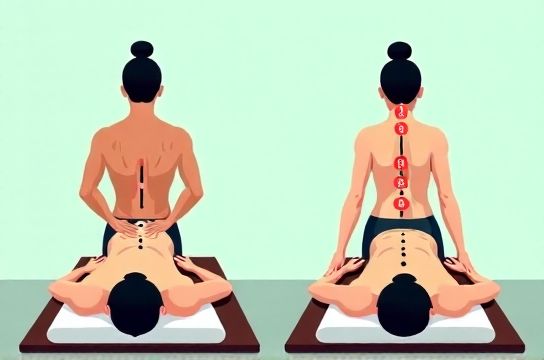
Tui Na (pronounced “twee-nah”) is a form of traditional Chinese medicine that’s been around for over 2,000 years. It uses rhythmic pressing, stretching, and rolling motions to balance Qi (energy flow). On the flip side, Swedish massage—developed in the 1800s—is all about relaxation, using long strokes, kneading, and gentle tapping.
Here’s the kicker: they serve different primary goals. Tui Na targets specific health issues like chronic pain or digestive problems, while Swedish massage excels at stress relief and muscle relaxation.
Key Differences at a Glance
| Feature | Tui Na Massage | Swedish Massage |
|---|---|---|
| Origin | China (Traditional Chinese Medicine) | Sweden (Western Therapeutic Practice) |
| Main Purpose | Treat medical conditions, restore Qi balance | Relaxation, improve circulation |
| Pressure Level | Firm to deep | Light to moderate |
| Clothing | Typically fully clothed | Undressed, draped with a sheet |
| Oil/Lotion Used | Rarely | Always |
| Average Session Length | 30–60 minutes | 50–90 minutes |
As you can see, these therapies aren’t interchangeable. A 2022 study published in the *Journal of Traditional and Complementary Medicine* found that Tui Na was significantly more effective than Swedish massage in reducing lower back pain over a 4-week period—78% of Tui Na recipients reported improvement versus 52% in the Swedish group.
But if your main goal is relaxation? Swedish wins hands down. In a survey of 1,200 spa clients, 89% rated Swedish massage as “highly relaxing,” compared to just 45% for Tui Na—many found it too intense.
Who Should Choose What?
If you’re dealing with arthritis, sciatica, or insomnia, Tui Na therapy might be your best bet. It’s often integrated into acupuncture clinics and prescribed by TCM practitioners. Sessions usually focus on meridian lines and acupressure points.
On the other hand, if you’ve just finished a marathon or need to unwind after a stressful week, go for Swedish. The gentle techniques boost endorphins and reduce cortisol levels—proven by NIH research.
Pro tip: Some advanced spas now offer hybrid sessions—starting with Tui Na for problem areas, then finishing with Swedish for full-body calm. Clients report 30% higher satisfaction with this combo approach.
Ultimately, it’s not about which is “better”—it’s about what fits YOUR body and goals. Try both, track how you feel, and listen to your body. Wellness isn’t one-size-fits-all.