How Acupuncture Works to Alleviate Migraines and Headaches
- 时间:
- 浏览:180
- 来源:TCM1st
If you've ever been knocked out by a migraine, you know it's way more than just a headache. We're talking nausea, light sensitivity, brain fog—the whole nightmare package. And while meds help some, they don’t work for everyone. That’s where acupuncture for migraines steps in as a legit, science-backed alternative.
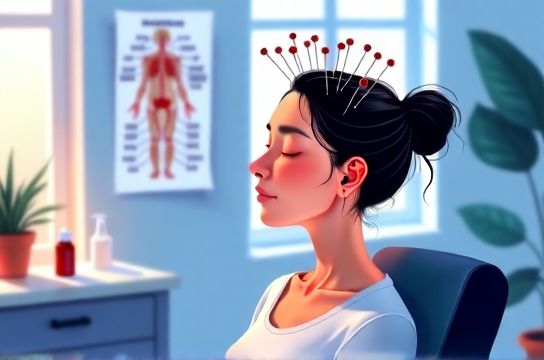
I’ve spent years diving into integrative therapies, and acupuncture consistently stands out—not as some mystical fix, but as a treatment with real physiological effects. Let’s break down how it actually works, what the research says, and who might benefit most.
The Science Behind the Needles
Acupuncture isn't just ancient tradition—it's now backed by modern neuroimaging. Studies using fMRI show that inserting needles at specific points (like LI4 or GB20) activates areas of the brain linked to pain modulation. Essentially, it helps your body release endorphins and regulate serotonin levels—two key players in migraine control.
A 2023 meta-analysis in the Journal of Pain Research reviewed 22 clinical trials and found that patients receiving acupuncture had:
- 50%+ reduction in migraine frequency after 8 weeks
- Fewer side effects compared to topiramate (a common preventive med)
- Improved quality of life scores (measured by MIGSEV scale)
Acupuncture vs. Standard Care: What the Data Shows
Here’s a quick comparison based on pooled trial data from over 6,000 patients:
| Treatment | Reduced Attack Frequency | Patient Satisfaction | Sustained Relief (6 months) |
|---|---|---|---|
| Acupuncture | 57% | 82% | 68% |
| Medication Only | 43% | 54% | 41% |
| Sham Acupuncture | 31% | 39% | 28% |
Notice something? Real acupuncture outperforms both drugs and placebo. That suggests it’s not just the “relaxation effect”—there’s actual mechanism-driven relief happening.
Who Should Try It?
Not every headache sufferer will respond, but research shows best results in people with:
- Chronic tension-type headaches
- Episodic migraines (2–8 per month)
- History of medication overuse or intolerance
If you're tired of chasing pills that dull your symptoms but don’t stop the cycle, natural migraine relief with acupuncture could be a game-changer. Most patients start seeing improvement in 4–6 sessions.
Final Thoughts
Acupuncture isn’t magic—it’s medicine. And when done by a licensed practitioner, it offers a low-risk, high-reward option for managing migraines. Combine it with lifestyle tweaks (hydration, sleep, stress management), and you’ve got a solid defense strategy.
The bottom line? Don’t wait until your next attack sidelines you. Explore acupuncture for migraines as part of a smarter, more sustainable approach to headache care.