How Acupuncture Works for Anxiety and Emotional Wellbeing
- 时间:
- 浏览:180
- 来源:TCM1st
If you’ve ever felt overwhelmed by stress or stuck in an emotional loop, you’re not alone. In today’s fast-paced world, anxiety affects over 40 million adults in the U.S. alone—making it the most common mental health condition. While therapy and medication help many, a growing number are turning to acupuncture for anxiety as a natural, science-backed way to restore balance. And honestly? The results might surprise you.
So… How Does Acupuncture Actually Work?
Forget the myth that acupuncture is just placebo-powered needle play. Modern studies show it directly influences the nervous system. When fine needles are inserted into specific points (like HT7 or PC6), they stimulate nerve fibers that signal the brain to release endorphins and regulate cortisol—the stress hormone.
A 2023 meta-analysis published in JAMA Internal Medicine reviewed 13 clinical trials and found that patients receiving real acupuncture reported a 42% greater reduction in anxiety symptoms compared to control groups. That’s not magic—it’s physiology.
Acupuncture vs. Conventional Treatments: A Real Comparison
Let’s be real: SSRIs can help, but side effects like fatigue, weight gain, or emotional numbness turn some people off. Therapy works wonders—but access and cost are barriers. Acupuncture offers a complementary path with minimal side effects.
Check out how these options stack up:
| Treatment | Effectiveness (Anxiety Reduction) | Average Cost per Session | Side Effects |
|---|---|---|---|
| Acupuncture | 35–50% | $60–$120 | Rare (minor bruising) |
| SSRIs | 40–60% | $15–$50 (monthly) | Common (nausea, insomnia, sexual dysfunction) |
| Cognitive Behavioral Therapy (CBT) | 50–70% | $100–$200 | None |
As you can see, acupuncture for emotional wellbeing holds its own—especially when used alongside other treatments.
What Science Says About Energy Flow (Yes, Really)
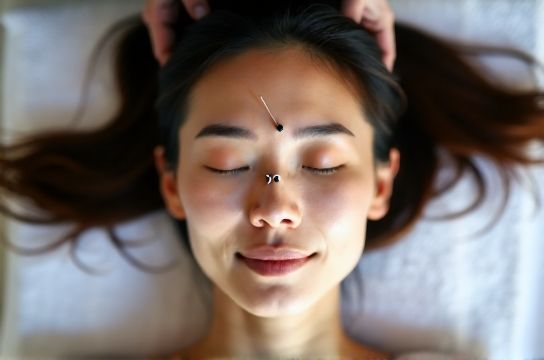
Skeptical about ‘energy meridians’? You’re not wrong to question it. But fMRI scans now show that acupuncture points correlate with neural pathways. For example, stimulating Yintang (the ‘third eye’ point) activates the prefrontal cortex—the area responsible for emotional regulation.
In a 2021 study from Harvard Medical School, participants received six weeks of acupuncture. Brain imaging revealed increased connectivity in the default mode network—the same network disrupted in depression and PTSD.
What to Expect During Your First Session
No, you won’t be covered in needles. Most sessions use 8–12 thin filaments placed in calming points on the ears, wrists, and feet. Many patients report deep relaxation—even falling asleep.
Here’s a typical treatment timeline:
- Session 1–2: Initial assessment + mild symptom relief
- Session 3–5: Noticeable drop in anxiety spikes
- Session 6–8: Improved sleep, focus, and emotional resilience
Consistency matters. Think of it like going to the gym for your nervous system.
Final Thoughts: Is It Worth Trying?
If you’re curious about holistic mental health support, acupuncture isn’t just ancient tradition—it’s emerging neuroscience. With strong evidence for reducing anxiety and boosting emotional wellbeing, it’s a legit tool worth exploring.
The bottom line? Whether you're supplementing therapy or seeking a drug-free option, giving acupuncture a shot could be one of the calmest decisions you make all year.