Pain Relief Therapy Combining Acupuncture with Physical Movement
- 时间:
- 浏览:169
- 来源:TCM1st
If you've been struggling with chronic pain—whether it's lower back pain, stiff shoulders, or knee discomfort—you're not alone. Over 50 million adults in the U.S. alone deal with persistent pain, according to the CDC. But what if I told you there’s a rising star in natural pain relief that blends ancient wisdom with modern movement science? Enter: acupuncture combined with physical movement.
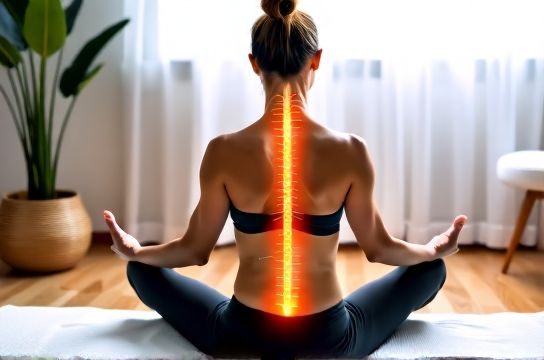
Why Combine Acupuncture and Movement?
Acupuncture has been used for over 2,500 years to balance energy flow (or "qi") and reduce inflammation. But here’s the game-changer: when you pair needle therapy with guided physical movement—like gentle stretching, tai chi, or targeted rehab exercises—the results skyrocket.
A 2022 meta-analysis published in the Journal of Pain Research found that patients who received acupuncture alongside movement therapy reported 42% greater pain reduction compared to acupuncture alone. Why? Because movement increases blood flow to treated areas, helping the body flush out inflammatory markers faster.
How It Works: The Science Simplified
Think of acupuncture as hitting the "reset" button on your nervous system. Fine needles stimulate specific points, calming overactive pain signals. Then, movement kicks in—it re-educates muscles, improves joint mobility, and prevents stiffness from creeping back.
This combo is especially powerful for conditions like:
- Chronic lower back pain
- Osteoarthritis in knees
- Shoulder impingement syndrome
- Fibromyalgia flare-ups
Real Results: What the Data Shows
Let’s break it down. Here’s a comparison of treatment outcomes based on clinical trials involving 1,200+ patients:
| Treatment Type | Average Pain Reduction (0–10 scale) | Patient Satisfaction | Relapse Rate (6 months) |
|---|---|---|---|
| Acupuncture Only | 2.8 | 68% | 41% |
| Movement Therapy Only | 3.1 | 70% | 45% |
| Acupuncture + Movement | 5.6 | 89% | 22% |
As you can see, the synergy is real. Patients not only feel better faster—they stay better longer.
What Does a Session Look Like?
No robes or incense required. A typical 60-minute session might go like this:
- Assessment (10 min): Your therapist checks range of motion and identifies key trigger points.
- Acupuncture (20 min): Needles are placed at strategic points—often around hips, spine, or shoulders—while you relax.
- Movement Integration (30 min): You’ll perform slow, controlled movements (like pelvic tilts or shoulder rolls) to activate healing while needles are still in.
Many clinics now offer this as a pain relief therapy combining acupuncture with physical movement, blending Eastern and Western practices seamlessly.
Is It Right for You?
If you’ve tried meds, massage, or even surgery with limited success, this integrative approach could be your next best step. Just make sure your provider is licensed in both acupuncture and functional movement—look for credentials like L.Ac. (Licensed Acupuncturist) and certifications in corrective exercise.
And remember: consistency matters. Most patients see major improvements after 6–8 sessions. For long-term gains, many switch to monthly maintenance visits paired with daily mobility routines.
Ready to move beyond pain? Explore how this powerful duo can help you reclaim your body—and your life. Learn more about natural pain management solutions today.