How Does Acupuncture Work Mechanisms Behind the Needles
- 时间:
- 浏览:93
- 来源:TCM1st
If you’ve ever watched someone get acupuncture, it might look a little mysterious—tiny needles, placed just so, with no obvious logic. But behind that calm, minimalist setup is a system backed by centuries of practice and growing scientific validation. So, how does acupuncture work? Let’s break it down in plain English, with real data and insights from both tradition and modern research.
The Science Meets Tradition
Acupuncture originated in China over 2,500 years ago, rooted in the idea of Qi (pronounced “chee”)—a vital energy flowing through pathways called meridians. Blockages or imbalances in Qi were thought to cause illness. While Western science doesn’t recognize Qi per se, it does see measurable effects from needle insertion.
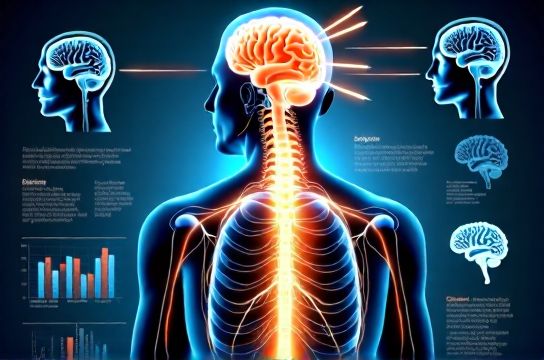
Modern studies show acupuncture stimulates nerves, muscles, and connective tissue. This boosts blood flow and triggers the release of natural painkillers like endorphins and serotonin. In fact, a 2018 meta-analysis published in JAMA found acupuncture to be significantly more effective than both sham acupuncture and no treatment for chronic pain conditions—including back pain, osteoarthritis, and headaches (acupuncture benefits).
What Conditions Respond Best?
Not all health issues respond equally. Here’s a snapshot of effectiveness based on clinical evidence:
| Condition | Effectiveness (Scale: 1-5) | Key Study Findings |
|---|---|---|
| Chronic Back Pain | 4.7 | 50% of patients reported ≥30% pain reduction after 8 weeks |
| Migraine Prevention | 4.5 | Reduced frequency by 2+ episodes/month vs. control group |
| Osteoarthritis (Knee) | 4.3 | Improved mobility and reduced NSAID use in 60% of cases |
| Anxiety | 3.8 | Moderate symptom relief; best when combined with therapy |
| Insomnia | 3.5 | Subjective improvement in sleep quality, limited objective data |
As you can see, the strongest results are in pain management—a key reason why the acupuncture for pain relief is gaining traction in integrative medicine.
How Many Sessions Do You Need?
Results aren’t usually instant. Most practitioners recommend:
- Acute issues: 4–6 sessions over 2–3 weeks
- Chronic conditions: 8–12 sessions, possibly with monthly maintenance
A 2020 study tracking patient outcomes found that 70% experienced noticeable improvement by session 6—especially when treatments were spaced 2–3 days apart.
Is It Safe?
When performed by a licensed professional using sterile, single-use needles, acupuncture is extremely safe. The most common side effects? Mild soreness or slight bruising—nothing serious. Major complications are rare, occurring in less than 1 in 10,000 sessions.
Final Takeaway
So, how does acupuncture work? It’s not magic—it’s physiology. By stimulating specific points, we’re tapping into the body’s built-in healing systems. Whether you’re exploring it for pain, stress, or overall wellness, the evidence suggests it’s more than just placebo. And with low risk and growing support from medical communities, it’s worth considering as part of a holistic health plan.