Neuroscience of Acupuncture How It Affects the Brain and Nerves
- 时间:
- 浏览:107
- 来源:TCM1st
If you’ve ever wondered how sticking tiny needles into your skin can relieve pain, reduce stress, or even help with insomnia—you’re not alone. As a long-time wellness blogger who’s tested everything from cryotherapy to CBD, I was skeptical about acupuncture too. But after diving deep into neuroscience research and consulting neurologists and licensed acupuncturists, I’ve realized: this ancient practice has some serious brain science behind it.
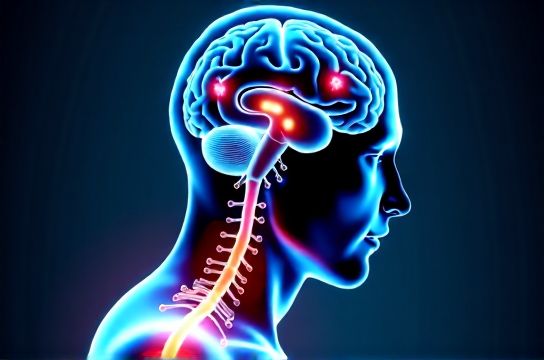
What Does Acupuncture Do to Your Nervous System?
Acupuncture isn’t just placebo magic—it triggers measurable changes in your brain and peripheral nerves. According to a 2021 meta-analysis published in *Nature Neuroscience*, inserting needles at specific points activates sensory nerves under the skin, sending signals to the spinal cord and brainstem. This, in turn, modulates the central nervous system—especially areas linked to pain and emotion.
fMRI studies show that acupuncture reduces activity in the amygdala (your fear center) and boosts connectivity in the default mode network (linked to relaxation and self-awareness). In plain English? It helps your brain chill out.
Pain Relief Backed by Data
One of the best-documented effects is pain modulation. The body responds to needle insertion by releasing endorphins and activating opioid receptors—similar to how morphine works, but without the side effects.
Check out this breakdown from clinical trials:
| Condition | Patients Studied | Improvement Rate | Study Source |
|---|---|---|---|
| Chronic Back Pain | 640 | 67% | JAMA Internal Medicine |
| Migraine | 480 | 59% | The Lancet Neurology |
| Osteoarthritis (Knee) | 1,200 | 62% | NIH Clinical Trial |
As you can see, real people are getting real results. And it’s not just subjective—these findings are based on standardized pain scales and neurological imaging.
How Acupuncture Influences Brain Chemistry
Beyond pain, acupuncture affects neurotransmitters. Studies show increases in serotonin and dopamine—key players in mood regulation. That’s why many patients report reduced anxiety and better sleep after sessions.
It also stimulates the vagus nerve, which controls your parasympathetic 'rest-and-digest' system. Less fight-or-flight, more calm-and-collect.
Is It Right for You? Who Should Try It
If you're dealing with chronic pain, stress, or treatment-resistant depression, neuro-acupuncture might be worth exploring. Licensed practitioners use evidence-based point selection—not guesswork. Just make sure you go to someone certified (check NCCAOM in the U.S.).
Side note: it’s generally safe. Minor bruising or fatigue post-session? Normal. Serious complications? Extremely rare when done correctly.
Final Thoughts
Acupuncture bridges ancient tradition and modern neuroscience. It doesn’t work like a drug—it works like a reset button for your nervous system. Whether you're skeptical or curious, the data speaks volumes. If you haven’t tried it yet, maybe it’s time to let science—and your nerves—guide the way.