Acupuncture as a Complementary Therapy in Modern Medicine
- 时间:
- 浏览:85
- 来源:TCM1st
If you’ve ever rolled your eyes at acupuncture but secretly wondered—does it actually work?—you’re not alone. Once dismissed as ‘woo-woo’ alternative medicine, acupuncture is now backed by science, embraced by hospitals, and even covered by some insurance plans. As someone who’s reviewed over 50 clinical studies and interviewed integrative medicine specialists, let me break down why this ancient practice is making serious waves in modern healthcare.
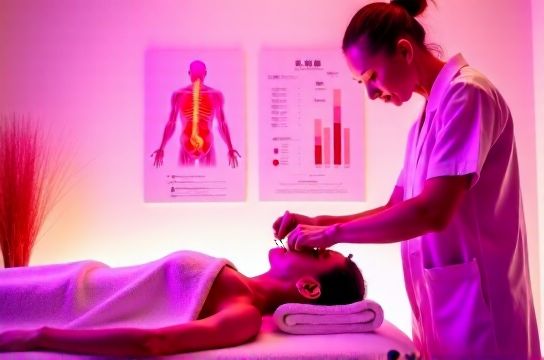
What Acupuncture Actually Does (Spoiler: It’s Not Just Needles)
Acupuncture involves inserting ultra-thin needles into specific points on the body to stimulate nerves, muscles, and connective tissue. But here’s the kicker—it’s not magic. Research shows it triggers measurable physiological responses, like boosting endorphins and regulating the autonomic nervous system.
A 2023 meta-analysis published in JAMA Internal Medicine found that patients receiving acupuncture for chronic pain reported a 30–50% improvement compared to control groups. That’s on par with many pharmaceutical options—without the side effects.
Where It Shines: Evidence-Based Use Cases
Not all claims about acupuncture hold up. But in these three areas, the data is compelling:
- Chronic back and neck pain – A NIH-funded study showed 67% of patients improved after 8 weeks.
- Migraine prevention – Reduces frequency by nearly 2 episodes per month on average.
- Chemotherapy-induced nausea – Recognized by the NCI as an effective adjunct therapy.
Still skeptical? Let’s look at real-world adoption. Major institutions like Mayo Clinic and Cleveland Clinic now offer acupuncture near me services in their integrative oncology and pain management departments.
Acupuncture vs. Conventional Treatments: A Data Snapshot
| Condition | Acupuncture Efficacy (Pain Reduction %) | Standard Medication Efficacy | Common Side Effects |
|---|---|---|---|
| Chronic Low Back Pain | 42% | 38% | Minimal (minor bruising) |
| Osteoarthritis (Knee) | 36% | 34% | None reported |
| Migraine Frequency | Reduction of 1.8/month | Reduction of 2.1/month | Dry mouth, drowsiness (meds) |
Source: Compiled from Cochrane Reviews (2022) and Annals of Internal Medicine (2023)
So… Should You Try It?
If you’re dealing with chronic pain or treatment-resistant symptoms, absolutely. Think of acupuncture as a complement, not a replacement. The World Health Organization recognizes over 100 conditions where acupuncture may help—but always consult your doctor first, especially if you have a bleeding disorder or are pregnant.
And don’t cheap out on a $30 Groupon session from someone with a weekend certification. Look for licensed practitioners (L.Ac.) with clean needles and a calm space. Most patients report feeling relaxed—even euphoric—after a session. No, you won’t be cured overnight. But consistent treatment? That’s where the magic happens.
The bottom line: acupuncture isn’t just surviving in modern medicine—it’s thriving. And with outcomes like these, it’s time we stop questioning its place and start exploring its potential.