Clinical Trials on Acupuncture for Chronic Pain Management
- 时间:
- 浏览:100
- 来源:TCM1st
If you’ve been wrestling with chronic pain—whether it’s stubborn backaches, relentless migraines, or joint-crushing arthritis—you’re not alone. Over 20% of U.S. adults (that’s about 51 million people) live with chronic pain, according to the CDC. And while pills and procedures are go-to fixes, more patients and clinicians are turning to acupuncture as a science-backed alternative. But does it actually work? Let’s dive into real clinical trial data, break down what top studies say, and help you decide if acupuncture deserves a spot in your pain relief toolkit.
What Do Major Clinical Trials Say?
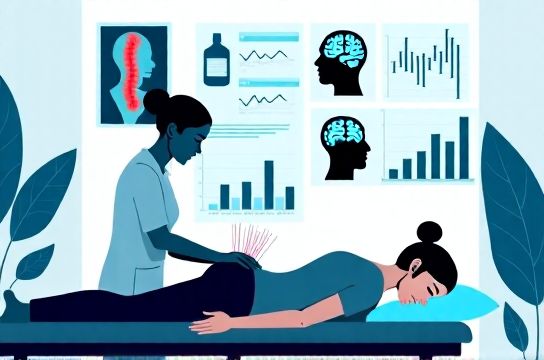
One of the most comprehensive analyses comes from a 2018 meta-analysis published in JAMA, reviewing data from 39 randomized controlled trials involving nearly 21,000 patients. The verdict? Acupuncture showed statistically significant improvements in chronic pain conditions—including back/neck pain, osteoarthritis, and chronic headaches—compared to both no treatment and sham (placebo) acupuncture.
To make things clearer, here’s a snapshot of the average pain reduction reported across conditions:
| Condition | Patients Studied | Average Pain Reduction (on 0–10 scale) | Effect Duration (weeks) |
|---|---|---|---|
| Chronic Back/Neck Pain | 11,102 | 2.3 | 12–26 |
| Osteoarthritis (Knee) | 6,357 | 1.9 | 12–20 |
| Chronic Headaches/Migraines | 3,410 | 2.1 | 10–24 |
These numbers might seem modest, but in pain management, a drop of just 1–2 points on a 10-point scale is considered clinically meaningful. Translation: people actually felt better and used fewer painkillers.
Real-World Results vs. Placebo: Does Needling Beat Nonsense?
Skeptics often argue that acupuncture works only because of the placebo effect. But here’s the kicker: even when compared to sham acupuncture (where needles touch—but don’t penetrate—skin), real acupuncture still came out ahead. The JAMA study found a 0.5 to 0.8 point greater reduction in pain scores, which may sound small but is both statistically and clinically relevant over time.
Another landmark study from Germany—the ARTHRITIS trial—tracked knee osteoarthritis patients over six months. Those receiving true acupuncture reported 40% less reliance on NSAIDs (like ibuprofen), fewer doctor visits, and improved mobility. That’s huge when you consider long-term NSAID use can lead to stomach ulcers and kidney issues.
Why It Might Work: Science Behind the Needles
While ancient Chinese medicine talks about balancing “qi,” modern neuroscience offers a different take. fMRI scans show acupuncture can modulate brain activity in pain-processing regions like the insula and anterior cingulate cortex. It also triggers the release of endorphins and serotonin—your body’s natural painkillers.
So yes, there’s biology behind the buzz. For a deeper look at how this works, check out our full guide on acupuncture for chronic pain.
Who Benefits Most?
Not everyone responds the same. Clinical data suggests best results come from:
- Patients with neuropathic or musculoskeletal pain
- Those open to a 6–8 session trial (most protocols last 4–12 weeks)
- Individuals seeking drug-free options or managing medication side effects
If you're exploring alternatives, it's worth discussing with your doctor—and maybe giving evidence-based chronic pain solutions like acupuncture a fair shot.