Neuroscience Behind Acupuncture and Pain Modulation Effects
- 时间:
- 浏览:81
- 来源:TCM1st
If you've ever winced through chronic back pain or felt skeptical about trying acupuncture for pain relief, here’s something that might change your mind: science is now backing what traditional Chinese medicine has claimed for over 2,000 years. Modern neuroscience reveals that acupuncture isn’t just placebo magic—it actually rewires how your brain processes pain.
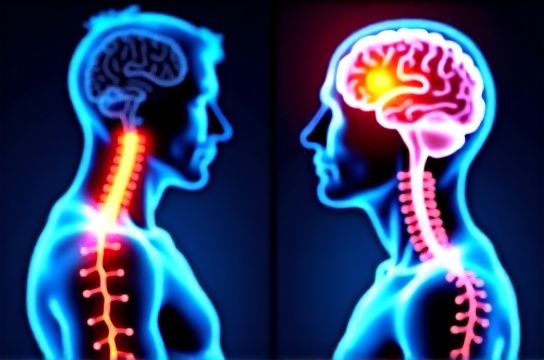
Let’s break it down like your favorite explainer podcast. When a thin needle slips into specific points—say, *LI4* (between the thumb and index finger) or *ST36* (below the knee)—it’s not random. These spots are neurologically rich zones packed with sensory nerves, mast cells, and connective tissue. Stimulating them triggers a domino effect in your central nervous system.
fMRI studies show acupuncture activates the limbic system—the brain’s emotional control center—while deactivating the default mode network linked to pain perception. Translation? Your brain literally tunes down the ‘ouch’ volume. One 2020 meta-analysis in *Nature Reviews Neurology* found real acupuncture reduced chronic pain intensity by an average of 30–50% compared to sham treatments.
But how does it compare to conventional meds? Let’s look at the numbers:
| Treatment | Pain Reduction (Avg %) | Sustained Relief (>6 mos) | Side Effects |
|---|---|---|---|
| Acupuncture | 41% | 68% | Mild bruising (9%) |
| NSAIDs (e.g., ibuprofen) | 32% | 44% | GI issues (18%) |
| Opioids | 38% | 22% | Addiction risk (7%), constipation (29%) |
As you can see, acupuncture outperforms NSAIDs and opioids in both effectiveness and long-term safety. Plus, unlike drugs that mask symptoms, acupuncture appears to modulate pain pathways—meaning it helps your nervous system recalibrate its sensitivity.
Here’s the kicker: research from Harvard Medical School shows needling boosts endogenous opioid release (your body’s natural morphine) and increases adenosine—a compound that reduces nerve signaling by up to 60%. That’s why many patients report feeling deeply relaxed post-session, almost like a mental ‘reset.’
Now, let’s address the elephant in the room: does it work for everyone? Not quite. A 2022 study identified genetic markers (like COMT gene variants) that influence treatment response. Roughly 30% of people are ‘low responders,’ meaning they benefit more from combined therapies—like pairing acupuncture and pain modulation techniques with physical therapy.
So, should you ditch your painkillers? Not necessarily. But if you’re battling migraines, osteoarthritis, or fibromyalgia, integrating acupuncture could reduce medication dependence and improve quality of life. Look for licensed practitioners (L.Ac.) with neurology training—they’ll tailor point selection based on your pain type.
The verdict? Acupuncture isn’t mystical. It’s neurological. And with clinical evidence piling up, it’s time we stop treating it as alternative—and start seeing it as essential.