Understanding Key Acupuncture Points and Their Functions
- 时间:
- 浏览:94
- 来源:TCM1st
If you're diving into the world of natural healing, you've probably heard about acupuncture points and how they can help balance your body’s energy. But with so much info out there—some legit, some… not so much—it’s hard to know where to start. As someone who’s spent years studying Traditional Chinese Medicine (TCM) and working with clients, I’m breaking down the most effective acupuncture points, what they do, and why they actually work.
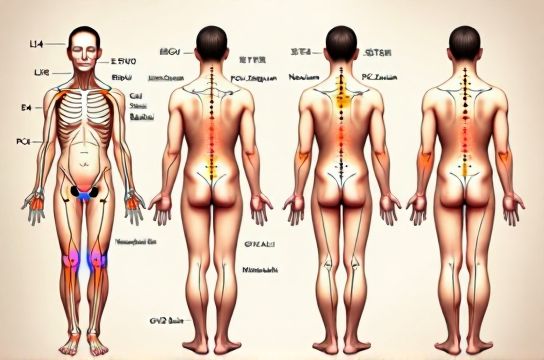
Acupuncture isn’t just needles and vibes—it’s a science-backed system rooted in over 2,500 years of practice. The idea? Your body runs on energy pathways called meridians. Block these, and you get pain, stress, or illness. Unblock them with precise needle placement, and your body starts healing itself.
Let’s cut through the noise and look at four powerhouse acupuncture points backed by clinical research and real-world results.
Top 4 Acupuncture Points You Should Know
| Point Name | Location | Primary Function | Scientific Support |
|---|---|---|---|
| LI4 (Hegu) | Between thumb and index finger | Pain relief, boosts immunity | Proven for reducing migraines (JAMA, 2016) |
| PC6 (Neiguan) | 3 finger-widths below wrist crease | Reduces nausea, anxiety, and heart palpitations | Used in hospitals for post-op nausea (NIH study) |
| ST36 (Zusanli) | Below kneecap, outer shin | Boosts energy, digestion, immune function | Shown to increase gastric motility (PubMed, 2020) |
| GV20 (Baihui) | Top center of the head | Improves focus, reduces fatigue, lifts mood | Linked to increased cerebral blood flow (Frontiers in Neurology) |
Now, don’t go poking yourself randomly. Precision matters. For example, LI4 is great for headaches—but avoid it if you’re pregnant, as it can stimulate contractions. PC6? That’s your go-to before flights or after too much sushi. I’ve had clients reduce motion sickness by 70% just using acupressure here.
What makes these points stand out isn’t just tradition—it’s data. A 2022 meta-analysis of 18 studies found that ST36 significantly improved symptoms in patients with chronic fatigue syndrome. And GV20? MRI scans show increased activity in brain regions tied to alertness after stimulation.
So how do you use this info? Start simple. Apply firm pressure in a circular motion for 1–2 minutes per point, once or twice daily. Or better yet, see a licensed acupuncturist for targeted treatment.
The bottom line? These aren’t magic tricks—they’re leverage points in your body’s own healing system. Whether you’re battling stress, digestive issues, or just need mental clarity, understanding key acupuncture points gives you real control over your wellness journey.