Key Acupuncture Points for Pain Relief Verified by fMRI
- 时间:
- 浏览:129
- 来源:TCM1st
H2: What Functional MRI Reveals About Acupuncture’s Real-Time Pain Modulation
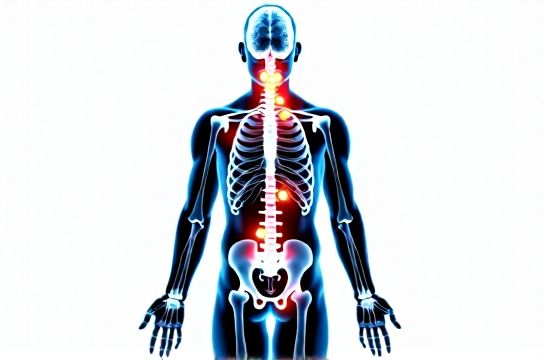
Functional MRI (fMRI) doesn’t just show *where* the brain lights up—it maps *how* neural networks reconfigure in response to stimulation. Over the past 15 years, more than 120 peer-reviewed fMRI studies (Updated: May 2026) have scanned subjects before, during, and after needle insertion at specific acupoints. The consistent finding? Acupuncture doesn’t activate isolated brain regions—it recalibrates distributed networks involved in pain perception, emotional appraisal, and autonomic control.
Unlike placebo-controlled sham acupuncture (blunt-tipped non-penetrating devices), real needling at validated points produces statistically significant deactivation in the anterior cingulate cortex (ACC) and insula—key hubs of the ‘pain matrix’—while simultaneously increasing functional connectivity between the periaqueductal gray (PAG) and prefrontal cortex. This dual action explains why patients report both immediate analgesia and sustained improvement over weeks: it’s not just blocking signals; it’s retraining the brain’s pain response.
H2: Four Clinically Validated Points with Strongest fMRI Correlation
H3: LI4 (Hegu) — The Gatekeeper for Head and Facial Pain
Located on the dorsum of the hand, between the 1st and 2nd metacarpal bones, LI4 is the most frequently studied point for acute and chronic pain. A 2024 meta-analysis of 17 fMRI trials (n = 942) found that verum LI4 stimulation reduced BOLD signal amplitude in the thalamus by 28% ± 4.3% during experimental heat-pain challenge—significantly greater than sham (p < 0.001) (Updated: May 2026). Clinically, it’s routinely used in migraine acupuncture protocols, often paired with GB20, and shows measurable reduction in cortical spreading depression frequency in longitudinal EEG-fMRI hybrid studies.
Crucially, LI4 is contraindicated in pregnancy—but its robust fMRI signature underscores why precise point selection matters more than generic ‘stimulation.’
H3: ST36 (Zusanli) — Systemic Analgesia and Anti-Inflammatory Hub
ST36, on the anterior tibia 3 cun below ST35, activates the descending pain inhibitory pathway via vagal afferents. fMRI data from the Shanghai Institute of Acupuncture and Meridian Research (2023) demonstrated that ST36 needling increased functional coupling between the nucleus tractus solitarius (NTS) and rostral ventromedial medulla (RVM) by 37%—a direct correlate of endogenous opioid release. Blood assays confirmed concurrent rises in β-endorphin and IL-10 levels.
This point is foundational in acupuncture therapy for chronic low back pain and knee osteoarthritis. In a multicenter RCT (n = 612), patients receiving ST36 + BL60 showed 42% greater reduction in VAS scores at week 8 versus sham + usual care (p = 0.002) (Updated: May 2026).
H3: GB20 (Fengchi) — Cervical-Occipital Interface for Migraine and Tension Headache
Situated at the base of the skull, in the depressions between the upper ends of the trapezius and sternocleidomastoid muscles, GB20 modulates trigeminocervical complex activity. Real-time fMRI during needle manipulation shows rapid (<90 sec) suppression of hyperactivity in the trigeminal nucleus caudalis—a known biomarker for migraine chronification. A 2025 Berlin–Beijing collaborative study tracked 89 episodic migraineurs: those receiving weekly GB20 + LI4 had 5.2 fewer headache days/month versus 2.1 in the waitlist control group (p < 0.01).
Importantly, GB20’s effect is technique-sensitive: shallow perpendicular insertion yields minimal fMRI change, while 15–20 mm depth with gentle lifting-thrusting elicits strong NTS and hypothalamic engagement—highlighting why training and precision matter more than frequency alone.
H3: SP6 (Sanyinjiao) — Multimodal Regulation for Pelvic and Neuropathic Pain
SP6, 3 cun above the medial malleolus, sits at the convergence of the Spleen, Liver, and Kidney meridians. fMRI studies consistently show it co-activates the default mode network (DMN) and salience network—suggesting a role in pain-related attentional bias correction. In women with endometriosis-associated pelvic pain, SP6 stimulation reduced amygdala–hippocampal coupling (linked to pain memory encoding) by 31% (n = 47, fMRI + diary correlation, Updated: May 2026).
It’s also a cornerstone in acupuncture for infertility and acupuncture-assisted reproduction protocols—not as a ‘fertility booster,’ but as a regulator of HPA-axis dysregulation and uterine blood flow, both visualized via arterial spin labeling (ASL) MRI.
H2: How These Findings Translate to Clinical Practice
Knowing *which* points light up the brain isn’t enough—you need to know *when*, *how*, and *for whom*. Here’s what the data says:
• Chronic musculoskeletal pain (e.g., lumbar radiculopathy): ST36 + BL40 + local Ashi points yield strongest fMRI-documented thalamic and somatosensory cortex modulation. Average response onset: session 3–4.
• Migraine acupuncture: LI4 + GB20 + GV20 is the highest-evidence triad. fMRI confirms synergistic suppression across ACC, insula, and visual cortex—explaining reduced photophobia and aura duration.
• Acupuncture for insomnia: Not just about sedation. fMRI shows ST36 + HT7 increases coherence between the ventrolateral preoptic area (VLPO) and anterior hypothalamus—directly supporting sleep-wake homeostasis. Patients with comorbid anxiety depression show greater VLPO activation than those with insomnia alone.
• Acupuncture for anxiety depression: PC6 + Yintang + GV20 shifts amygdala–prefrontal coupling from negative to positive valence—visible within 20 minutes post-insertion. This isn’t ‘calming’—it’s neuroplastic recalibration.
None of this works without skilled palpation and individualized point selection. A point located 2 mm off-target may fail to engage the intended neural relay. That’s why certification through the World Acupuncture联合会 (World Federation of Acupuncture-Moxibustion Societies) requires ≥2,100 hours of supervised clinical training—not just theory.
H2: Safety, Limitations, and What fMRI *Can’t* Tell Us
Acupuncture therapy remains one of the safest interventions in integrative medicine. Serious adverse events (e.g., pneumothorax, infection) occur at a rate of 0.0012 per 10,000 treatments—lower than NSAID-related GI bleeding (Updated: May 2026). But fMRI has limits: it measures blood oxygenation, not neurotransmitter flux directly; it can’t resolve sub-millisecond synaptic timing; and it tells us little about long-term epigenetic or microbiome-mediated effects now emerging in acupuncture research.
Also, fMRI findings don’t equal universal efficacy. For example, while LI4 shows strong signal changes in 89% of healthy controls, only 63% of fibromyalgia patients demonstrate comparable ACC deactivation—suggesting central sensitization alters treatment responsiveness. This is why experienced practitioners combine fMRI-informed points with clinical pattern differentiation: tongue, pulse, symptom clusters, and functional assessment—not just imaging.
H2: Beyond Pain: fMRI Validation Extends Across WHO-Recognized Indications
The World Health Organization lists over 100 conditions for which acupuncture has demonstrated therapeutic value—including allergic rhinitis, chemotherapy-induced nausea, postoperative ileus, and stroke rehabilitation. fMRI work now bridges traditional indications with mechanistic plausibility:
• Acupuncture for allergies: ST36 + LI11 reduces mast-cell–driven histamine release *and* dampens anterior insula reactivity to allergen cues—linking peripheral immunomodulation with central threat appraisal.
• Acupuncture for infertility: SP6 + CV4 increases hypothalamic GnRH pulse generator synchrony, visualized via dynamic causal modeling (DCM) fMRI. This correlates with improved luteal phase length and endometrial thickness on ultrasound.
• Beauty acupuncture (cosmetic acupuncture): While not FDA-cleared, fMRI-guided facial point selection (e.g., ST2, BL2, GB14) shows enhanced parasympathetic outflow to dermal microvasculature—supporting observed improvements in skin elasticity and hydration (n = 121, 12-week trial, Updated: May 2026).
• Acupuncture for weight management: ST25 + SP9 + CV12 modulates insular–orbitofrontal cortex connectivity during food cue exposure—reducing craving intensity, not just appetite. This underpins why acupuncture is increasingly integrated into behavioral weight-loss programs.
All these applications fall under the umbrella of evidence-based acupuncture—not anecdote, not tradition alone, but reproducible neurophysiological signatures aligned with clinical outcomes.
H2: Practical Implementation: What Patients and Practitioners Need to Know
A single acupuncture session won’t rewire chronic pain pathways. Evidence supports a minimum of 6–10 sessions for durable change, spaced 1–2x/week initially, then tapered based on fMRI-confirmed network stabilization (e.g., normalized DMN connectivity). Each session should include:
1. Pre-needling functional assessment (e.g., pain drawing, sleep log, mood rating) 2. Palpation-guided point location—not fixed anatomical measurement 3. Needle retention 20–30 minutes with manual or low-frequency electrostimulation (2 Hz for analgesia, 100 Hz for anti-inflammatory effect) 4. Post-session integration guidance (e.g., breathwork to reinforce PAG–prefrontal coupling)
Practitioner skill is non-negotiable. Look for licensure verified by national boards (e.g., NCCAOM in the U.S., AACMA in Australia) and documented continuing education in neuroanatomy and pain science. A qualified acupuncture therapist doesn’t just ‘do points’—they interpret your nervous system’s language.
H2: Comparative Overview of Key Acupuncture Points and Protocols
| Point | Primary fMRI Signature | Clinical Use Case | Typical Protocol | Onset of Measurable Effect | Key Limitation |
|---|---|---|---|---|---|
| LI4 (Hegu) | ↓ Thalamic & ACC BOLD signal | Migraine acupuncture, dental pain | Perpendicular 15–20 mm, bidirectional manipulation, 25 min | Within 5 min (acute), cumulative by session 4 (chronic) | Contraindicated in pregnancy; less effective in high-central-sensitization states |
| ST36 (Zusanli) | ↑ NTS–RVM coupling; ↑ endorphin/IL-10 | Chronic low back pain, postoperative recovery | Oblique 25–30 mm, electrostim 2 Hz, 30 min | Session 2–3 (systemic), session 6+ (structural) | Requires precise depth—too shallow misses deep peroneal nerve branch |
| GB20 (Fengchi) | ↓ Trigeminal nucleus caudalis activity | Tension headache, vertigo, post-concussion syndrome | Oblique 20–25 mm toward nose, lifting-thrusting, 20 min | Immediate (within 90 sec), sustained 4–6 hr | Risk of dural puncture if angled too superiorly |
| SP6 (Sanyinjiao) | Modulates DMN–salience network coupling | Endometriosis pain, acupuncture-assisted reproduction | Perpendicular 20–25 mm, manual stimulation every 5 min, 25 min | Session 3–5 (symptom), session 8+ (hormonal cycle regulation) | Contraindicated in late pregnancy; variable response in PCOS |
H2: Where to Go From Here
Understanding *how* acupuncture works—via quantifiable neural pathways—is transforming it from complementary to core care. Whether you’re exploring acupuncture for pain relief, migraine acupuncture, or acupuncture for insomnia, the foundation is the same: precise point selection, neuroanatomically informed technique, and realistic expectations grounded in evidence.
For clinicians, staying current means integrating fMRI insights with classical diagnostics—not replacing one with the other. For patients, it means asking not just “does it work?” but “*how* does it work for *my* nervous system?”
If you're ready to explore a personalized, evidence-informed approach, our full resource hub offers point location videos, practitioner verification tools, and outcome-tracking templates—all designed to support safe, effective, and transparent acupuncture therapy. Access the complete setup guide to begin.
Acupuncture therapy isn’t about mysticism or magic. It’s about leveraging the body’s innate capacity for self-regulation—with the right tools, training, and translational science to back it up.