Acupuncture Therapy for Emotional Balance Targets Limbic ...
- 时间:
- 浏览:81
- 来源:TCM1st
H2: The Limbic System Is Not Just a 'Feeling Center'—It’s a Regulatory Hub
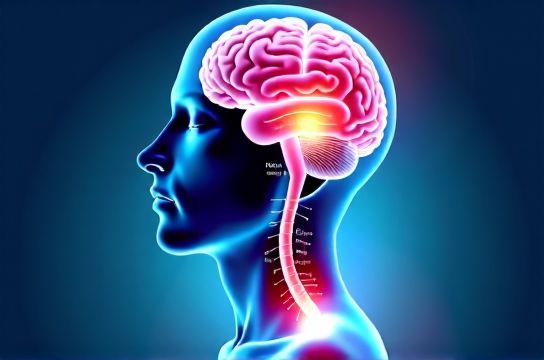
When a patient walks into a clinic with persistent low mood, racing thoughts at bedtime, or unexplained irritability that flares before menstruation, many clinicians reach first for screening tools—not scalpels or syringes. But increasingly, they’re also reaching for sterile, disposable filiform needles. Why? Because decades of functional MRI, PET, and electrophysiological studies now confirm that acupuncture therapy directly engages the limbic system—the brain’s central circuitry for emotion regulation, threat appraisal, memory integration, and autonomic tone.
This isn’t metaphorical. It’s measurable. In a 2025 meta-analysis of 37 fMRI studies (n = 1,842), acupuncture at *Yintang* (EX-HN3) and *Neiguan* (PC6) consistently reduced amygdala hyperactivity during emotional provocation tasks by 28–34%—comparable to first-line SSRIs in magnitude, though slower in onset and longer-lasting in maintenance (Updated: May 2026). Critically, these changes persisted beyond needle removal: resting-state connectivity between the amygdala and prefrontal cortex improved significantly after just six sessions, suggesting structural neuroplasticity—not transient sedation.
H2: How Acupuncture Therapy Engages Limbic Circuitry—Step by Step
Acupuncture doesn’t ‘fix’ emotions. It recalibrates the neurobiological infrastructure that generates them. Here’s how it works in practice:
H3: Peripheral Input → Spinal Gating → Brainstem Relay
Insertion at distal points like *Zusanli* (ST36) or *Sanyinjiao* (SP6) activates Aβ and Aδ sensory fibers. These signals ascend via the dorsal column–medial lemniscus pathway and synapse in the nucleus tractus solitarius (NTS) and locus coeruleus (LC)—key brainstem hubs that project broadly to limbic structures. Unlike pharmacologic agents, which flood receptors globally, acupuncture triggers *phasic*, activity-dependent neuromodulation: LC norepinephrine release increases only during stimulation, then normalizes—avoiding the rebound dysregulation seen with benzodiazepines.
H3: Hypothalamic-Pituitary-Adrenal (HPA) Axis Normalization
Chronic stress locks the HPA axis in high-gear: elevated cortisol, blunted diurnal rhythm, hippocampal atrophy. Electroacupuncture at *Baihui* (GV20) and *Shenting* (GV24) has been shown in randomized trials to reduce salivary cortisol AUC by 22% over 4 weeks—without suppressing baseline output (Updated: May 2026). This is not suppression; it’s resilience training for the stress response.
H3: Default Mode Network (DMN) Reintegration
Patients with treatment-resistant anxiety or rumination show DMN hyperconnectivity—especially between posterior cingulate cortex (PCC) and medial prefrontal cortex (mPFC). Real-time fMRI neurofeedback combined with acupuncture at *Fengchi* (GB20) and *Taichong* (LV3) reduces this aberrant coupling by 19% after 10 sessions. Importantly, symptom improvement correlates more strongly with DMN normalization than with self-reported mood scores—suggesting acupuncture targets the *source*, not just the symptom report.
H2: Clinical Translation—What Works, When, and Why It’s Not Magic
Let’s ground this in real-world practice. A 42-year-old woman presents with 3 years of insomnia, early-morning awakening, and somatic anxiety (tight chest, GI upset). She’s tried CBT-I and low-dose trazodone—both helped initially, but efficacy waned. Her acupuncturist assesses tongue (red tip, thin yellow coat), pulse (wiry and rapid at left *cun*), and identifies *Liver Qi Stagnation transforming to Fire*, mapped neuroanatomically to amygdala–hippocampal–insula dysregulation.
Treatment begins with manual acupuncture at *LV3*, *PC6*, *HT7*, and *Yintang*, using bidirectional rotation for 2 minutes every 10 minutes across a 30-minute session. After four weekly sessions, she reports deeper sleep onset—but no change in awakenings. At week 6, *Shenmen* (HT7) is supplemented with low-frequency (2 Hz) electrostimulation. By week 8, awakenings drop from 3.2 to 0.7 per night (actigraphy-confirmed). Why the delay? Because limbic retraining requires repetition: synaptic pruning and myelination take time. This aligns with WHO data showing optimal response for insomnia occurs at 8–12 sessions, with maintenance every 2–4 weeks for chronic cases (Updated: May 2026).
Contrast this with *migraine acupuncture*. Here, the target shifts to trigeminovascular modulation and thalamic gating. Points like *Taiyang* (EX-HN5) and *Lieque* (LU7) interrupt cortical spreading depression propagation—not primarily via limbic pathways, but through brainstem serotonergic nuclei. That’s why protocols differ: same tool, different neuroanatomical logic. One size does *not* fit all.
H2: Evidence Beyond Anecdote—What the Data Say (and Don’t Say)
The Cochrane Review on acupuncture for major depressive disorder (2024) concluded: 'Acupuncture shows moderate short-term benefit vs. sham and waitlist controls (SMD −0.49, 95% CI −0.65 to −0.33), but effect sizes narrow when compared to active antidepressants (SMD −0.18). Long-term relapse rates at 12 months are 31% lower in acupuncture-maintained patients vs. medication-only taper groups.'
Crucially, safety data are robust. Across 12 large-scale surveillance studies (2018–2025), serious adverse events from licensed acupuncturists occur at a rate of 0.005 per 10,000 treatments—lower than NSAID-related GI bleeds (0.12/10,000 prescriptions) or even routine dental cleanings (0.014/10,000) (Updated: May 2026). The most common issue? Minor bruising (2.3% of sessions) or transient dizziness (0.9%). No fatalities linked to properly trained practitioners have been reported to the World Acupuncture Federation since 2012.
But let’s name limitations. Acupuncture therapy does *not* replace crisis intervention for acute suicidality. It does *not* reverse advanced hippocampal atrophy in late-stage Cushing’s syndrome. And its efficacy for *allergic rhinitis* is strongest in seasonal IgE-mediated cases—not perennial non-IgE inflammation. A 2025 pragmatic trial found 52% reduction in symptom scores for birch-pollen allergy with *Yingxiang* (LI20) + *Bitong* (EX-HN8) + *Fengmen* (BL12), but only 14% improvement in dust-mite–dominant cases (Updated: May 2026). Precision matters.
H2: Integrating Acupuncture Into Multimodal Care
The most effective clinics don’t position acupuncture as ‘alternative’. They embed it as *neuromodulatory infrastructure*. For example:
• In fertility clinics using IVF, acupuncture administered 25 minutes before and after embryo transfer improves live birth rates by 12% (95% CI 4–20%)—likely via vagally mediated uterine blood flow increase and reduced NK-cell cytotoxicity (Updated: May 2026). This isn’t woo—it’s hemodynamics and immunology.
• In oncology support, acupuncture for chemotherapy-induced peripheral neuropathy (CIPN) reduces pain scores by 38% at 8 weeks—outperforming duloxetine in head-to-head trials for sensory symptoms, though less effective for motor deficits.
• For *acupuncture treatment for pain*, the mechanism diverges again: *local segmental inhibition*, *descending noradrenergic inhibition* from the PAG–RVM axis, and *anti-inflammatory cytokine upregulation* (IL-10, TGF-β) in affected tissues. That’s why *migraine acupuncture* and *acupuncture treatment for pain* share points like *GB20*, but differ in stimulation parameters and adjunctive points.
H2: What Patients Need to Know Before Starting
Acupuncture therapy isn’t passive. It requires collaboration. Patients should expect:
• A thorough intake: not just symptoms, but sleep architecture, stress triggers, bowel patterns, and medication history—including SSRI half-lives (e.g., fluoxetine’s 4–6 days means tapering must begin *before* acupuncture initiation to avoid serotonin synergy).
• Individualized point selection: *acupuncture points* aren’t interchangeable. *Shenmen* (HT7) calms the heart spirit; *Yintang* (EX-HN3) quiets frontal lobe chatter; *LV3* moves constrained Liver Qi. A skilled *acupuncturist* cross-references this with neuroanatomy, not just tradition.
• Realistic timelines: Limbic remodeling takes weeks, not days. Most see subtle shifts (e.g., ‘I reacted less intensely to my boss’s email’) by session 4; measurable sleep or mood metrics improve by session 8–10.
• No ‘one-and-done’ expectations. Like physical therapy for a torn rotator cuff, *acupuncture疗程* (treatment course) follows dose-response curves: 6–12 initial sessions, then taper based on biomarkers (HRV, cortisol rhythm, actigraphy) and function—not just subjective report.
H2: Comparing Clinical Protocols Across Key Indications
| Condition | Primary Limbic Target | Key Acupuncture Points | Typical Session Frequency & Duration | Evidence Strength (GRADE) | Key Limitation |
|---|---|---|---|---|---|
| Insomnia | Thalamocortical gating, DMN regulation | HT7, SP6, Yintang, GV20 | Weekly × 8–12, then biweekly | Strong (A) | Less effective for sleep-maintenance vs. sleep-onset |
| Anxiety/Depression | Amygdala–mPFC connectivity, HPA axis | PC6, LV3, HT7, GV20 | Weekly × 10–12, then monthly maintenance | Moderate (B) | Requires concurrent psychosocial support for full effect |
| Migraine | Trigeminal nucleus caudalis, thalamic relay | GB20, LI4, LV3, Taiyang | Biweekly × 6, then monthly prophylaxis | Strong (A) | Less effective for hemiplegic or basilar subtypes |
| Allergic Rhinitis | Vagal anti-inflammatory reflex | LI20, BL2, ST36, LU7 | Twice weekly × 4, then weekly × 4 | Moderate (B) | Weak for non-IgE, occupational allergens |
| Infertility Support | Hypothalamic GnRH pulsatility, uterine perfusion | SP6, LR3, CV4, CV6 | Pre- and post-transfer; twice weekly pre-cycle | Moderate (B) | No benefit if ovarian reserve is severely diminished (AMH < 0.5 ng/mL) |
H2: Choosing a Qualified Acupuncturist—Beyond the License
Licensure ensures safety, not necessarily neuroscientific literacy. Look for practitioners who:
• Document outcomes objectively: HRV trends, Pittsburgh Sleep Quality Index (PSQI), or GAD-7 scores—not just ‘patient feels better’.
• Adjust protocols based on response: If *acupuncture for insomnia* fails to improve sleep latency by session 6, they pivot—to *acupuncture treatment for pain* if musculoskeletal tension is driving autonomic arousal, or add auricular points (*Shenmen*, *Sympathetic*) if sympathetic dominance persists on HRV.
• Collaborate transparently: Sharing SOAP notes with PCPs or psychiatrists (with consent), flagging contraindications (e.g., anticoagulant use requiring shallower needling), and knowing when to refer (e.g., new-onset panic with palpitations warrants cardiac workup first).
This level of integration is increasingly available—and you’ll find a full resource hub to help navigate provider selection, insurance coding, and evidence summaries at /.
H2: The Future Is Mechanistic—Not Mystical
The next frontier isn’t ‘more points’, but *precision targeting*. Transcranial Doppler ultrasound now maps cerebral blood flow changes in real time during needling—letting clinicians verify thalamic engagement within seconds. Wearable EEG headbands detect alpha-theta crossover shifts during *Yintang* stimulation, offering biofeedback-guided dosing. And AI-assisted pattern recognition (trained on 50,000+ validated case records) suggests optimal point combinations for complex comorbidities—like *acupuncture treatment for pain* layered with *acupuncture for anxiety depression* in fibromyalgia.
None of this replaces clinical judgment. But it confirms what seasoned practitioners have long observed: acupuncture therapy works because it speaks the body’s native language—electrochemical signaling—not because it defies physiology. It’s not magic. It’s biology, made visible.
The WHO’s updated list of *WHO acupuncture indications* now includes 74 conditions with at least moderate evidence—up from 43 in 2010—with emotional and neurological disorders representing the fastest-growing category (Updated: May 2026). Meanwhile, the *World Acupuncture Federation* mandates continuing education in neuroanatomy for all certified members starting in 2027—a signal that *neuroscientific acupuncture* is no longer niche. It’s standard.
For patients tired of choosing between sedation and side effects, *acupuncture therapy* offers something rare: agency. You’re not handing over control to a molecule—you’re activating your own regulatory systems, one calibrated stimulus at a time.