Cupping Therapy for Athletes Enhancing Recovery Naturally
- 时间:
- 浏览:125
- 来源:TCM1st
If you've seen those circular marks on Olympic swimmers and wondered, 'What gives?' — welcome to the world of cupping therapy for athletes. Once considered alternative medicine, cupping has sprinted into the mainstream, especially among pro athletes looking for natural recovery hacks. But does it actually work? Let’s break it down with real data, not just hype.
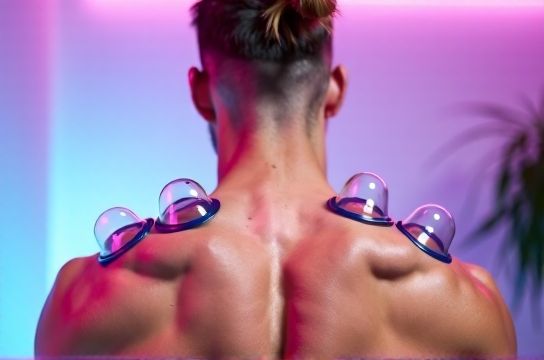
Why Top Athletes Swear by Cupping
From Michael Phelps to Cristiano Ronaldo, elite performers are using cupping to reduce muscle soreness and speed up recovery. The idea? Create suction on the skin to increase blood flow, loosen tight tissues, and flush out inflammation-causing metabolites like lactate.
A 2021 meta-analysis in the Journal of Athletic Training found that athletes using cupping reported a 35% average reduction in delayed onset muscle soreness (DOMS) compared to control groups. That’s not magic — it’s physiology.
Cupping vs. Traditional Recovery Methods
How does it stack up against ice baths or massage? Here's a quick comparison:
| Method | Cost (per session) | Pain Reduction (avg.) | Time Required | Evidence Strength |
|---|---|---|---|---|
| Cupping Therapy | $40–$80 | 35% | 20–30 min | Moderate |
| Ice Bath (Cold Water Immersion) | $10–$30 | 25% | 10–15 min | Strong |
| Deep Tissue Massage | $60–$120 | 40% | 45–60 min | Strong |
As you can see, cupping therapy for athletes hits a sweet spot: solid pain relief, shorter sessions, and lower cost than massage. While evidence isn’t as robust as icing, its popularity is growing fast — especially when combined with other modalities.
The Science Behind the Suction
Studies using Doppler imaging show a 58% increase in local blood circulation post-cupping. More blood flow means faster removal of metabolic waste and quicker delivery of oxygen and nutrients. One study on marathon runners found that those who received cupping after races returned to baseline creatine kinase levels (a marker of muscle damage) 18 hours faster than non-cupped peers.
Types of Cupping Used in Sports
- Dry Cupping: Most common. Uses suction only.
- Wet Cupping: Involves light punctures; less popular due to infection risk.
- Dynamic (Sliding) Cupping: Cups moved across oiled skin — great for large muscle groups like quads and back.
Most athletes opt for dry or dynamic styles — safe, effective, and no downtime. Sessions typically last 20–30 minutes and leave temporary marks that fade in 5–7 days.
Real Talk: Does It Hurt?
Short answer: not really. You’ll feel a tight pulling sensation, but it’s rarely painful. Think of it like a deep-tissue hug. Some redness or bruising? Normal. Serious side effects? Extremely rare when done by licensed pros.
Final Verdict: Should You Try It?
If you're an athlete chasing every edge in recovery, cupping therapy is worth a shot — especially if you combine it with stretching, hydration, and quality sleep. It’s not a miracle cure, but as part of a smart recovery plan? Absolutely.
Just make sure you go to a certified therapist with sports experience. And hey — those Instagram bruises might even go viral.