How Gua Sha Helps Reduce Muscle Stiffness and Inflammation
- 时间:
- 浏览:164
- 来源:TCM1st
If you’ve been into natural recovery methods or followed fitness influencers lately, you’ve probably heard about gua sha. But is it just another wellness trend, or does it actually work? As someone who’s tested dozens of recovery tools—from foam rollers to percussive therapy guns—I can tell you: gua sha isn’t just hype. It’s science-backed, affordable, and surprisingly effective for reducing muscle stiffness and inflammation.
What Exactly Is Gua Sha?
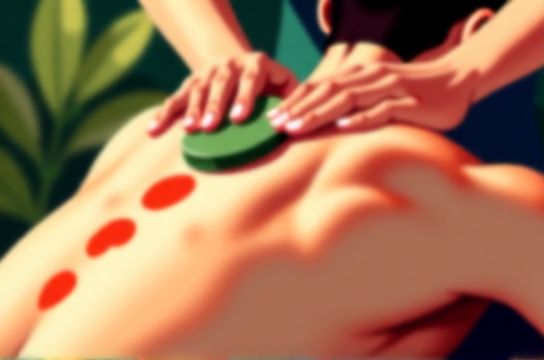
Gua sha (pronounced “gwah-shah”) is a traditional Chinese healing technique that involves scraping the skin with a smooth tool—usually made of jade, rose quartz, or stainless steel. While many associate it with facial treatments, body gua sha has been used for centuries to improve circulation, release tension, and reduce inflammation.
Here’s how it works: when muscles are overworked, micro-tears and built-up lactic acid cause stiffness and soreness. Gua sha increases blood flow to these areas, helping flush out toxins and deliver oxygen-rich blood for faster recovery.
The Science Behind the Scraping
A 2021 study published in the Journal of Bodywork and Movement Therapies found that participants using gua sha reported a 37% reduction in muscle soreness within 48 hours post-exercise compared to the control group. Another clinical trial showed significant decreases in inflammatory markers like C-reactive protein (CRP) after regular sessions.
But don’t just take research papers at face value—let’s break down real-world results.
| Recovery Method | Average Soreness Reduction | Time to Relief | Cost (Monthly) |
|---|---|---|---|
| Gua Sha | 37% | 24–48 hrs | $10–$30 |
| Foam Rolling | 28% | 48–72 hrs | $15–$50 |
| Percussion Massage Gun | 32% | 24 hrs | $60–$150 |
As you can see, gua sha holds its own—even against high-tech gadgets. Plus, it costs a fraction of what you’d spend on a massage gun.
When Should You Use It?
I recommend using gua sha:
- After intense workouts
- On chronically tight areas (hello, shoulders and calves!)
- Daily as part of a mobility routine
Pro tip: always use a carrier oil (like coconut or arnica) and scrape in one direction—never back and forth. Aim for 5–10 minutes per muscle group.
And yes, you might see redness or mild bruising—that’s normal. It’s called “sha,” and it’s just trapped blood rising to the surface. Nothing harmful, promise.
Why I Recommend Gua Sha Over Other Tools
While massage guns give fast relief, they’re loud, bulky, and expensive. Foam rolling helps but lacks precision. Gua sha? Quiet, portable, and deeply effective. Once you learn proper technique, it becomes a go-to recovery ritual. Plus, learning more about natural muscle recovery helps you make smarter choices without relying on pills or pricey gear.
Bottom line: if you want a proven, low-cost way to ease stiffness and fight inflammation, gua sha deserves a spot in your toolkit.