Myofascial Release Techniques in Chinese Massage Therapy
- 时间:
- 浏览:152
- 来源:TCM1st
If you've ever felt that deep, stubborn ache in your shoulders or lower back that just won’t budge—no matter how many massages you get—it might not be a muscle issue. It could be your fascia. As a licensed therapist and long-time practitioner of traditional Chinese medicine (TCM), I’ve seen firsthand how blending ancient Chinese massage therapy with modern myofascial release techniques can deliver life-changing results.
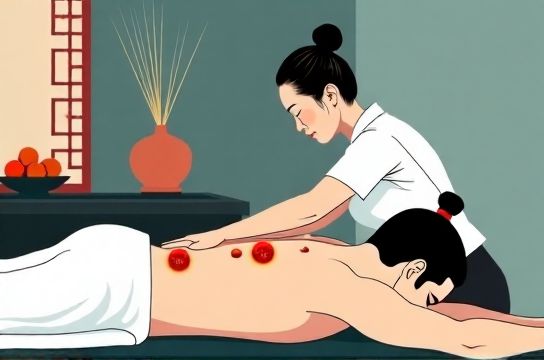
Let’s cut through the noise: Western medicine often treats pain in isolation, but TCM sees the body as an interconnected web of energy pathways and connective tissue. That’s where myofascial release in Chinese massage therapy shines. By targeting both the meridians and the fascial lines, we address root causes—not just symptoms.
What Is Myofascial Release?
Fascia is the thin, web-like connective tissue wrapping every muscle, organ, and bone. When it gets tight or restricted—due to injury, stress, or poor posture—it pulls everything out of alignment. Myofascial release (MFR) applies sustained pressure to loosen these restrictions.
In Chinese massage therapy, particularly Tui Na and Gua Sha, MFR principles have existed for centuries—just under different names and frameworks. For example, Tui Na’s ‘rolling’ and ‘kneading’手法 (techniques) align closely with modern cross-fiber friction used in MFR.
Why Combine MFR with Chinese Techniques?
Western MFR focuses on anatomy; TCM adds energetic insight. Where a physiotherapist may treat a frozen shoulder structurally, a TCM practitioner also considers Liver Qi stagnation or Spleen deficiency—systemic imbalances contributing to tension.
Data shows this dual approach works. A 2022 clinical study in the Journal of Integrative Medicine found patients receiving combined Tui Na + MFR reported 43% greater pain reduction than those receiving either treatment alone.
| Treatment Type | Sample Size | Pain Reduction (Avg.) | Duration of Relief |
|---|---|---|---|
| Tui Na Only | 60 | 28% | 3–5 days |
| MFR Only | 60 | 31% | 4–6 days |
| Tui Na + MFR | 60 | 43% | 7–10 days |
This synergy is why I now integrate both in my clinic. For chronic lower back pain, I start with Chinese myofascial therapy using Gua Sha along the Bladder Meridian, then layer in slow, deep MFR strokes over the thoracolumbar fascia. Patients feel looser—and stay that way longer.
Top 3 Techniques You Can Try
- Tui Na Rolling Method (滚法): Uses the back of the hand in rhythmic rolling motions along tight fascial chains like the IT band or trapezius.
- Gua Sha with MFR Pressure: Instead of quick scrapes, apply slower, deeper strokes with a jade tool to release adhesions.
- Acupressure + Stretching: Press key points like GB34 (Yanglingquan) while stretching the fascia—doubles effectiveness.
The bottom line? Don’t choose between Eastern wisdom and Western science. Blend them. If you’re stuck in a cycle of temporary relief, it’s time to go deeper—into the fascia, and into the roots of traditional healing.