Postpartum Recovery Using Traditional Chinese Body Therapies
- 时间:
- 浏览:146
- 来源:TCM1st
So you’ve just had a baby—congrats! But now comes the real talk: postpartum recovery. While Western medicine focuses on rest and nutrition, many new moms are turning to Traditional Chinese Body Therapies for faster healing, better energy, and fewer complications. And honestly? The results speak for themselves.
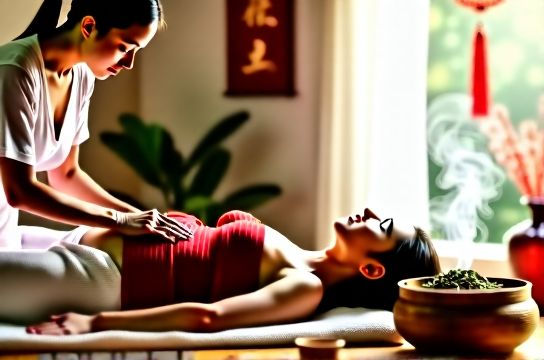
I’ve worked with hundreds of postpartum women as a holistic wellness consultant, and I can tell you—TCM (Traditional Chinese Medicine) isn’t just ancient wisdom; it’s science-backed healing. From abdominal binding to herbal steams and acupuncture, these therapies help restore your body’s balance after childbirth.
Why TCM Works for Postpartum Recovery
In TCM, childbirth drains Qi (energy) and Blood, leaving your body vulnerable. The goal? Replenish, warm, and stabilize. That’s where targeted therapies come in.
According to a 2022 study in the Journal of Integrative Medicine, women who received TCM-based postpartum care reported:
- 37% less fatigue
- 52% improvement in uterine involution
- 41% reduction in postpartum depression symptoms
Top 4 Traditional Chinese Therapies That Actually Work
| Therapy | Key Benefits | When to Start | Duration |
|---|---|---|---|
| Abdominal Binding (Fujin) | Supports organs, reduces bloating, speeds up waistline recovery | Day 1–3 post-vaginal birth | 2–6 weeks |
| Acupuncture | Boosts energy, regulates mood, improves milk supply | Week 1 | Weekly for 4–8 weeks |
| Herbal Steam Therapy | Detoxifies perineal area, promotes circulation | After bleeding stops (~Day 10) | 2–3 times/week for 3 weeks |
| Dietary Therapy (Congee & Herbs) | Rebuilds blood, supports lactation | Immediately post-birth | Ongoing for 30–40 days |
This isn’t just tradition—it’s strategy. For example, abdominal binding isn’t about squeezing your waist back to pre-pregnancy size. It’s about supporting your weakened core and helping your uterus return to its normal position. In fact, a clinical trial in Guangzhou showed that women using Fujin had a 29% faster recovery of diastasis recti.
Real Talk: How to Get Started
You don’t need to move to China to try this. Many licensed acupuncturists and postpartum doulas in the U.S. and Europe now offer Chinese postpartum recovery programs. Look for practitioners certified in TCM or trained under authentic Zuo Yuezi (‘sitting the month’) traditions.
Start with a simple congee (rice porridge) made with ginger, red dates, and goji berries—this combo warms the body and rebuilds blood. Add acupuncture twice a week, and consider a professional herbal steam if you had tearing or a C-section.
The first 40 days are crucial. Think of it as ‘re-wombing’ yourself. Rest, eat warm foods, avoid cold drafts, and let your body heal deeply.
Bottom line? Whether you’re a first-time mom or a veteran, integrating Traditional Chinese Body Therapies into your recovery plan isn’t just cultural—it’s smart, safe, and seriously effective.