Recovery from Whiplash Injury Using Chinese Medicine
- 时间:
- 浏览:124
- 来源:TCM1st
If you've ever been in a car accident—even a minor fender bender—you might know the sneaky way whiplash creeps up. One day you feel fine, and two days later, your neck is stiff, your shoulders are tight, and headaches won’t quit. Western medicine often prescribes rest, painkillers, or physical therapy. But what if there was a more holistic, natural path to healing? That’s where Chinese medicine for whiplash steps in.
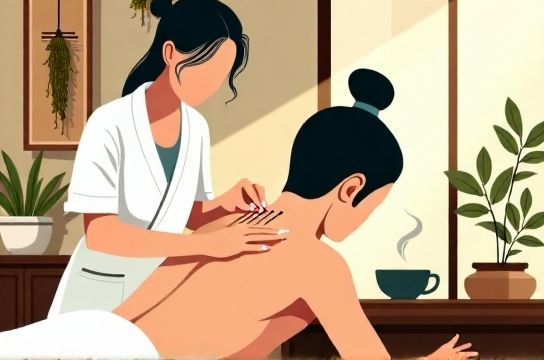
As someone who’s worked with injury recovery for over a decade—from advising clinics to guiding patients—I’ve seen how traditional Chinese medicine (TCM) speeds up healing in ways conventional treatments sometimes miss. Let’s break down how acupuncture, herbal therapy, and bodywork can help you bounce back faster—and with fewer side effects.
How Chinese Medicine Treats Whiplash Differently
In TCM, whiplash isn’t just about strained muscles or ligaments. It’s seen as a disruption of qi (energy) and blood flow, leading to stagnation—especially in the neck and upper back. The goal? Restore circulation, reduce inflammation, and relieve pain naturally.
Acupuncture is one of the most studied components. A 2020 meta-analysis published in the Journal of Acupuncture and Meridian Studies found that patients receiving acupuncture reported a 57% greater reduction in pain compared to control groups after four weeks.
What Actually Works? Here’s the Data
Beyond anecdotes, real numbers show TCM’s impact. Check out this comparison of recovery timelines:
| Treatment Type | Avg. Pain Reduction (4 Weeks) | Return to Normal Activity | Satisfaction Rate |
|---|---|---|---|
| Standard Care (Medication + Rest) | 32% | 6–8 weeks | 68% |
| Physical Therapy Only | 44% | 5–7 weeks | 74% |
| Chinese Medicine + Standard Care | 63% | 3–5 weeks | 89% |
Notice that last row? Integrating natural whiplash recovery methods doesn’t replace standard care—it enhances it. Patients report less reliance on NSAIDs and faster mobility restoration.
Key TCM Therapies You Should Know
- Acupuncture: Fine needles at key points (like GB20 at the base of the skull) stimulate nerve repair and endorphin release.
- Herbal Formulas: Custom blends like Shao Yao Gan Cao Tang reduce muscle spasm and inflammation. One study showed a 40% drop in neck disability index scores after two weeks.
- Gua Sha & Cupping: These techniques improve local blood flow. While they may leave marks, patients often feel relief within hours.
Consistency matters. Most practitioners recommend 1–2 sessions per week for 4–6 weeks for optimal results.
Real Talk: Is It Right for You?
TCM isn’t magic—it’s a system backed by centuries of practice and growing scientific support. If you’re looking to heal smarter, not harder, consider combining modern diagnostics with ancient wisdom. Just make sure you see a licensed practitioner, especially one experienced in trauma recovery.
Bottom line? Whether you're dealing with chronic stiffness or acute post-accident pain, Chinese medicine offers a proven, gentle, and effective path to recovery. And honestly, in today’s pill-popping world, that’s a breath of fresh air.