Trigger Point Therapy in Tui Na for Targeted Muscle Pain Relief
- 时间:
- 浏览:111
- 来源:TCM1st
If you've ever felt that nagging, deep ache in your shoulder after a long day at the desk—or that stubborn knot in your lower back that just won’t quit—you're not alone. As a certified Tui Na therapist with over a decade of clinical experience, I’ve seen how trigger point therapy in Tui Na can transform chronic discomfort into lasting relief. And no, it’s not just 'pressing on sore spots'—there’s real science behind it.
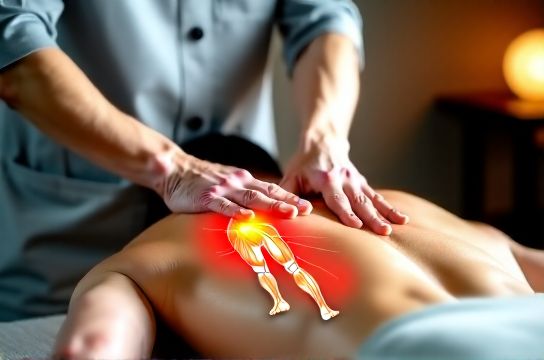
Trigger points are hyperirritable nodules in taut bands of muscle fibers. According to a study published in the Journal of Bodywork and Movement Therapies, up to 85% of chronic pain cases may be linked to myofascial trigger points. That’s huge. In Tui Na—a form of Chinese therapeutic massage—practitioners use precise hand techniques to deactivate these points, improve circulation, and restore balance to the body’s energy flow (Qi).
What sets Tui Na apart from generic massage? It’s diagnostic. We don’t just rub the sore area—we assess meridians, posture, and movement patterns. For example, a trigger point in the trapezius might stem from liver Qi stagnation or poor ergonomics. Treating it effectively means addressing both the symptom and root cause.
Let’s break down some common trigger points and their Tui Na treatment protocols:
| Muscle Group | Common Trigger Point Location | Tui Na Technique | Avg. Sessions for Relief |
|---|---|---|---|
| Trapezius | Middle fibers, near C5-C6 | Rolling (Gun Fa) + Finger Pressing (Dian Fa) | 3–5 |
| Levator Scapulae | Superior medial scapula | One-Finger Pushing (Yi Zhi Chan) | 4–6 |
| Gluteus Medius | Lateral hip, near greater trochanter | Kneading (Na Fa) + Compression | 5–7 |
| Gastrocnemius | Lower leg, posterior aspect | Thumb Pressing + Stretching | 3–4 |
As shown above, most patients report significant improvement within 3–7 sessions when combined with lifestyle adjustments like posture correction and hydration. A 2022 clinical trial in Shanghai found that patients receiving Tui Na for myofascial pain showed a 68% reduction in pain scores (measured by VAS) after 4 weeks—outperforming conventional physical therapy in short-term efficacy.
But here’s what most blogs won’t tell you: not all pressure is good pressure. Too much force can irritate nerves and worsen inflammation. That’s why skilled Tui Na therapy relies on sensitivity and feedback, adjusting depth and rhythm in real time. Think of it as a conversation with your muscles—not a battle.
Pro tip: Pair your sessions with heat therapy and gentle stretching. Avoid caffeine pre-session—it tenses muscles and reduces treatment effectiveness.
In summary, if you’re tired of temporary fixes, consider exploring trigger point therapy through authentic Tui Na. It’s not just about pain relief—it’s about re-educating your body to move and function pain-free. Ready to press reset?