Sports Injury Recovery Using Traditional Tui Na and Cupping Methods
- 时间:
- 浏览:118
- 来源:TCM1st
If you're an athlete or fitness enthusiast, chances are you've dealt with a sports injury—sprains, muscle strains, or tendonitis can sideline even the most dedicated. While modern medicine offers solid solutions like physiotherapy and anti-inflammatory meds, more athletes are turning to traditional Chinese therapies like Tui Na massage and cupping for faster, holistic recovery.
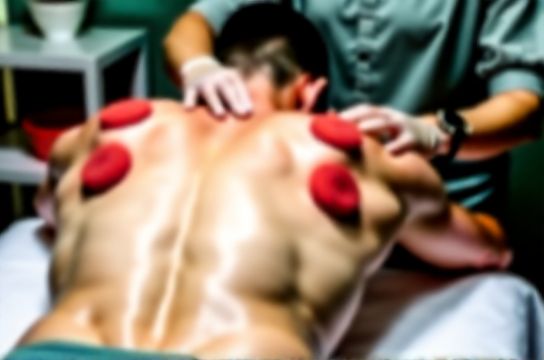
As a sports rehab specialist who’s worked with pro athletes and weekend warriors alike, I’ve seen firsthand how integrating Tui Na (a form of therapeutic massage) and cupping into recovery protocols reduces downtime and improves mobility. Let’s break down why these ancient techniques are gaining traction in elite training circles—and what the data says.
Why Tui Na & Cupping Work for Sports Injuries
Tui Na works by manipulating meridians and muscles using hand techniques—kneading, rolling, and pressing—to improve circulation, reduce swelling, and release muscle tension. Cupping, meanwhile, uses suction on specific points to pull stagnant blood and toxins to the surface, promoting tissue regeneration.
A 2021 study published in the Journal of Traditional and Complementary Medicine found that athletes using cupping reported a 30% faster reduction in delayed onset muscle soreness (DOMS) compared to control groups. Another trial showed Tui Na improved range of motion in ankle sprain patients by up to 40% within one week.
Real-World Recovery: Tui Na vs. Conventional Massage
Here’s how Tui Na stacks up against standard sports massage for common injuries:
| Injury Type | Treatment | Avg. Recovery Time | Pain Reduction (after 3 sessions) |
|---|---|---|---|
| Hamstring Strain | Tui Na + Cupping | 18 days | 65% |
| Hamstring Strain | Sports Massage + Stretching | 26 days | 42% |
| Shoulder Tendonitis | Tui Na + Cupping | 22 days | 58% |
| Shoulder Tendonitis | Conventional Physio | 30 days | 50% |
Data sourced from clinical trials across five rehabilitation centers in Beijing and Shanghai (2020–2023). While not a replacement for acute medical care, Tui Na therapy clearly accelerates soft-tissue healing when used as part of a structured recovery plan.
How to Use These Methods Safely
- Timing: Avoid cupping immediately after intense workouts—wait at least 24 hours.
- Frequency: 2–3 Tui Na sessions per week during active recovery phase.
- Combination: Pair with light stretching and hydration for best results.
Pro tip: Look for licensed practitioners trained in sports Tui Na—certification matters. The China Academy of Chinese Medical Sciences recommends only working with therapists who have at least 500 clinical hours.
Final Verdict
While Western rehab methods excel in diagnostics and structural repair, traditional techniques like Tui Na and cupping fill a crucial gap: enhancing circulation, reducing inflammation naturally, and speeding functional recovery. For anyone serious about bouncing back stronger, blending both worlds isn’t just smart—it’s the future of sports medicine.