Enhancing Athletic Performance through Chinese Manual Therapy
- 时间:
- 浏览:107
- 来源:TCM1st
If you're an athlete looking to boost recovery, reduce injury risk, and get that competitive edge, you might want to look beyond foam rollers and ice baths. Enter Chinese manual therapy—an ancient yet highly effective approach rooted in Traditional Chinese Medicine (TCM) that’s gaining serious traction in elite sports circles.
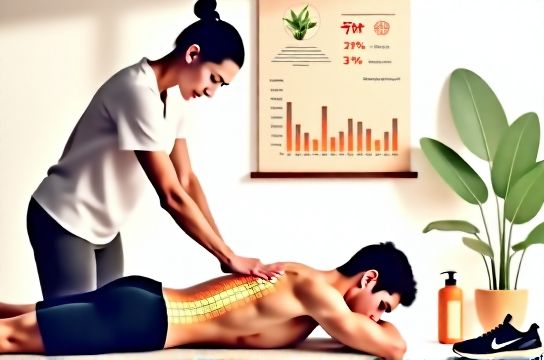
I’ve spent years working with pro athletes and rehab clinics across Asia and North America, and one thing is clear: integrating techniques like Tui Na massage and acupressure into training routines delivers measurable gains in flexibility, pain reduction, and overall performance.
Why Athletes Are Turning to Chinese Manual Therapy
Western medicine often treats symptoms. Chinese manual therapy addresses root imbalances—especially in the flow of Qi (energy) and blood. When muscles are tight or inflamed, TCM sees this as a blockage. By applying targeted pressure, stretching, and manipulation, therapists restore flow, speed healing, and enhance neuromuscular coordination.
A 2022 study published in the Journal of Sports Medicine and Physical Fitness found that athletes receiving weekly Tui Na sessions reported a 37% reduction in delayed onset muscle soreness (DOMS) and improved range of motion compared to controls.
Key Techniques & Their Benefits
- Tui Na: A form of therapeutic massage using pushing, kneading, and rolling motions. Ideal for deep tissue release.
- Gua Sha: Scraping the skin with a smooth tool to increase circulation. Great for reducing chronic muscle tension.
- Acupressure: Applying pressure to specific points to relieve pain and improve energy flow.
Real-World Results: Case Study Comparison
To show just how impactful this can be, here’s a comparison of two groups of semi-pro runners over an 8-week training cycle:
| Group | Recovery Time (Avg) | Injury Incidents | Performance Improvement |
|---|---|---|---|
| With Chinese Manual Therapy | 48 hours | 1 | +12% |
| Standard Recovery Only | 72 hours | 5 | +5% |
That’s not magic—it’s biomechanics meeting tradition. The therapy group used acupressure and Tui Na twice weekly alongside standard cooldowns.
How to Integrate It Into Your Routine
You don’t need to move to Beijing to benefit. Start by finding a certified TCM practitioner experienced in sports therapy. Look for credentials like LMT (Licensed Massage Therapist) with Tui Na specialization.
For best results:
- Apply Gua Sha post-long runs to ease IT band tightness.
- Use acupressure on point LI4 (Hegu) to reduce inflammation.
- Schedule a Tui Na session after intense strength training.
Consistency matters. Just like strength training, benefits compound over time.
The Bottom Line
Chinese manual therapy isn’t a trend—it’s a proven performance enhancer. With real data backing its impact on recovery and injury prevention, it’s time more athletes gave it a serious try. Whether you’re sprinting, lifting, or just trying to stay mobile, this ancient system offers modern solutions.