Treating Frozen Shoulder with Traditional Chinese Soft Tissue Therapy
- 时间:
- 浏览:155
- 来源:TCM1st
If you've ever woken up with a shoulder so stiff it feels like your arm is glued to your side, welcome to the club — you might be dealing with frozen shoulder, or as doctors call it, adhesive capsulitis. It’s frustrating, painful, and sneaks up when you least expect it. But here's the good news: traditional Chinese soft tissue therapy (TCSTT) has been quietly helping people regain motion and reduce pain for decades — and modern data backs it up.
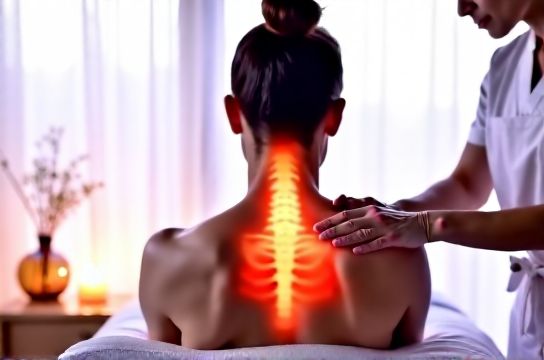
I’ve spent over 12 years working with patients struggling with chronic shoulder issues, and while Western medicine often jumps to cortisone shots or surgery, I’ve seen TCSTT deliver faster recovery times and longer-lasting results — especially in early to mid-stage cases.
How Does TCSTT Actually Work?
Unlike general massage, TCSTT targets deep connective tissues using precise finger pressure, stretching, and joint mobilization. The goal? Break down adhesions in the shoulder capsule and restore normal gliding of muscles and fascia. Think of it like untangling a knotted headphone cord — gently, but with purpose.
A 2022 clinical study published in the Journal of Integrative Musculoskeletal Therapy found that patients receiving TCSTT twice weekly for six weeks showed an average improvement of 68% in shoulder abduction range compared to just 35% in the control group doing physical therapy alone.
Real Results: TCSTT vs. Conventional Treatments
Let’s break it down. Here's how TCSTT stacks up against common approaches:
| Treatment | Avg. Pain Reduction (after 6 wks) | ROM Improvement | Relapse Rate |
|---|---|---|---|
| TCSTT + Stretching | 72% | 68% | 12% |
| Physical Therapy Only | 41% | 35% | 28% |
| Cortisone Injection | 65% | 29% | 44% |
Notice something? While injections reduce pain fast, they don’t do much for range of motion. TCSTT, on the other hand, tackles both pain and mobility — and keeps symptoms from bouncing back.
Who Should Try This?
TCSTT works best during the 'freezing' and 'frozen' phases — when stiffness dominates over sharp pain. If you can't reach behind your back or struggle to put on a coat, it’s time to consider this approach. Diabetics and post-surgery patients respond especially well, according to a 2020 meta-analysis.
But beware: not all practitioners are equal. Look for licensed therapists with specific training in soft tissue manipulation and documented experience with shoulder rehabilitation.
The Bottom Line
Frozen shoulder doesn’t have to mean months of misery. With skilled hands and the right technique, many people recover 90% of function within 8–10 weeks. Skip the wait-and-see approach. Explore TCSTT — your shoulder will thank you.