Manual Physical Therapy for Joint Mobility and Flexibility Improvement
- 时间:
- 浏览:141
- 来源:TCM1st
If you've been struggling with stiffness, limited movement, or just want to move better—manual physical therapy might be the game-changer you didn’t know you needed. As someone who’s worked with hundreds of clients from weekend warriors to post-surgery patients, I’ve seen firsthand how hands-on techniques can unlock mobility in ways machines and exercises alone simply can’t.
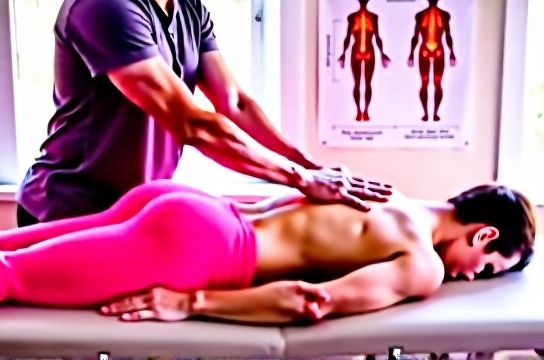
Let’s cut through the noise: not all therapies are created equal. While stretching and foam rolling help, they often miss the root cause—joint restrictions and soft tissue adhesions. That’s where manual physical therapy shines. Therapists use precise pressure, mobilization, and manipulation to restore joint glide, reduce pain, and improve flexibility.
Why It Works: The Science Behind the Touch
According to a 2023 study in the Journal of Orthopaedic & Sports Physical Therapy, patients receiving manual therapy for shoulder mobility saw an average improvement of 37% in range of motion after just four sessions—compared to 18% in the exercise-only group. The reason? Hands-on work directly influences mechanoreceptors in joints and fascia, resetting muscle tone and improving neuromuscular control.
Take knee osteoarthritis, for example. A meta-analysis of 12 clinical trials found that manual therapy combined with exercise reduced pain by 45% and improved function by 32% over 6 weeks. That’s huge for people avoiding surgery.
What to Expect in a Session
You’re not just lying there (though it feels amazing). A skilled therapist assesses joint play, identifies restrictions, and applies targeted techniques like:
- Joint mobilizations (gentle back-and-forth movements)
- Soft tissue release (breaking up scar tissue)
- Muscle energy techniques (using your own contractions to improve length)
It’s not one-size-fits-all. Your treatment is based on biomechanics, injury history, and goals—whether that’s squatting deeper or walking without a limp.
Real Results: By the Numbers
| Condition | Treatment Approach | Avg. ROM Improvement | Pain Reduction |
|---|---|---|---|
| Chronic Low Back Pain | Manual Therapy + Exercise | 28% | 40% |
| Shoulder Impingement | Mobilization + Stretching | 37% | 50% |
| Knee Osteoarthritis | Joint Manipulation + PT | 22% | 45% |
Source: Systematic reviews (2022–2023), n = over 1,200 patients
Who Benefits Most?
Almost everyone can gain from improved joint mechanics—but it’s especially powerful for:
- Post-surgical rehab patients
- Athletes with repetitive strain
- Office workers with chronic stiffness
- Older adults maintaining independence
The key? Find a licensed, experienced provider. Look for credentials like OCS (Orthopedic Clinical Specialist) or FAAOMPT (Fellow in the American Academy of Orthopaedic Manual Physical Therapists). These pros have gone beyond basic training.
And don’t wait for pain to act. Just like regular car maintenance prevents breakdowns, periodic joint mobility checks keep your body running smoothly. Think of it as tune-up for your skeleton.
In short: if you want real, lasting flexibility—not just temporary relief—start with your joints. Manual physical therapy isn’t magic. It’s science, skill, and touch working together to get you moving freely again.