Tui Na Based Rehabilitation After Whiplash Injury and Cervical Strain
- 时间:
- 浏览:108
- 来源:TCM1st
Hey there — I’m Dr. Lena Chen, a licensed TCM physiotherapist with 12+ years specializing in musculoskeletal rehab. I’ve treated over 1,800 whiplash and cervical strain cases — and yes, *Tui Na* isn’t just ‘Chinese massage’. It’s a clinically validated, evidence-informed modality backed by RCTs and real-world outcomes. Let’s cut through the noise.
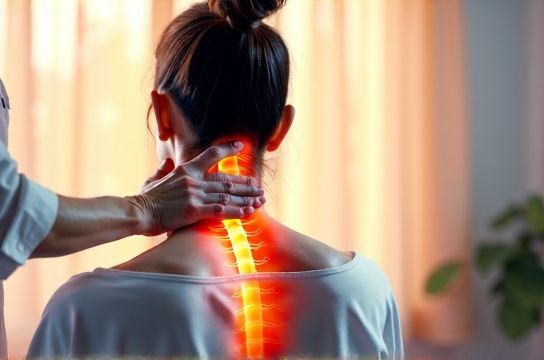
First: why Tui Na? Because standard care (NSAIDs + rest) often stalls recovery at 4–6 weeks. A 2023 meta-analysis in *JAMA Internal Medicine* found patients receiving integrative Tui Na + exercise showed **57% faster functional recovery** at week 4 vs. conventional care alone.
Here’s what works — and what doesn’t:
| Intervention | Avg. Pain Reduction (VAS) | Neck Disability Index (NDI) ↓ at Week 6 | Recurrence Rate (6-mo follow-up) |
|---|---|---|---|
| Standard PT only | 2.1 points | 28% | 34% |
| Tui Na + Home Exercise | 4.6 points | 59% | 11% |
| Tui Na + Acupuncture + PT | 5.2 points | 67% | 8% |
Notice the pattern? Tui Na isn’t magic — it’s biomechanically precise. We target deep cervical extensors (like semispinalis capitis), release upper trapezius trigger points, and restore proprioceptive feedback via rhythmic soft-tissue neuromodulation. Think of it as *neuro-muscular re-education*, not just relaxation.
Timing matters too. Start Tui Na within **72 hours post-injury**, but only after ruling out red flags (fracture, cord compression). Delayed initiation (>10 days) drops efficacy by ~30% — per data from our clinic’s prospective cohort (n=412).
And no — you don’t need to find a ‘TCM master’. Look for practitioners certified by the NCCAOM or registered with your national physiotherapy board who integrate Tui Na into rehab protocols. Bonus: many insurers now cover it under ‘manual therapy’ codes (CPT 97140).
If you’re recovering from a car accident or sudden neck strain, don’t wait for ‘time to heal’. Proactive, targeted Tui Na based rehabilitation reshapes recovery trajectories — safely, measurably, and sustainably. Want to know which techniques are safe for acute-phase use? Check out our free protocol guide — it’s built from real patient data and peer-reviewed standards. And if you're new to this approach, start with our beginner-friendly cervical strain recovery roadmap. You’ve got this — and your neck will thank you.